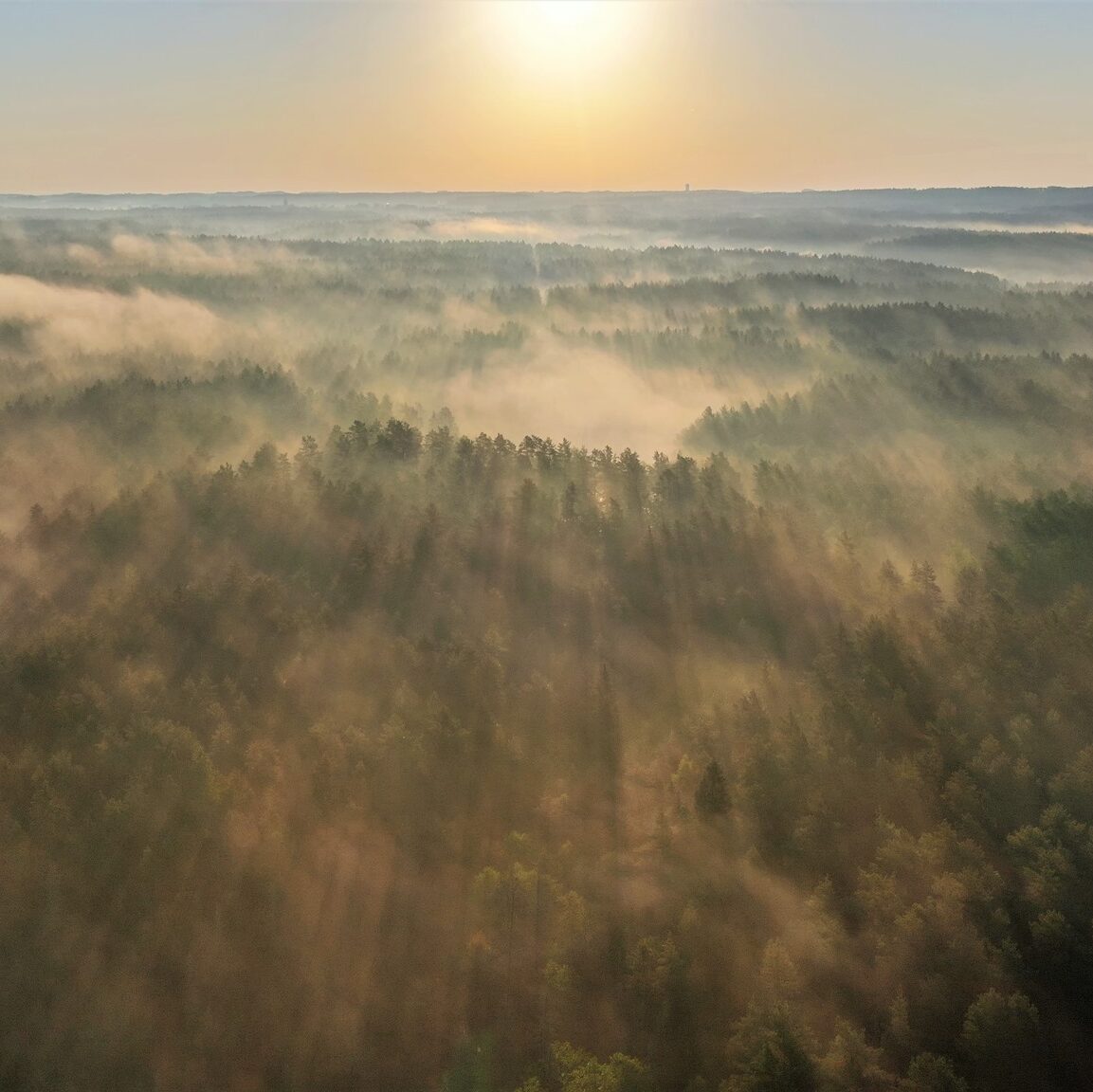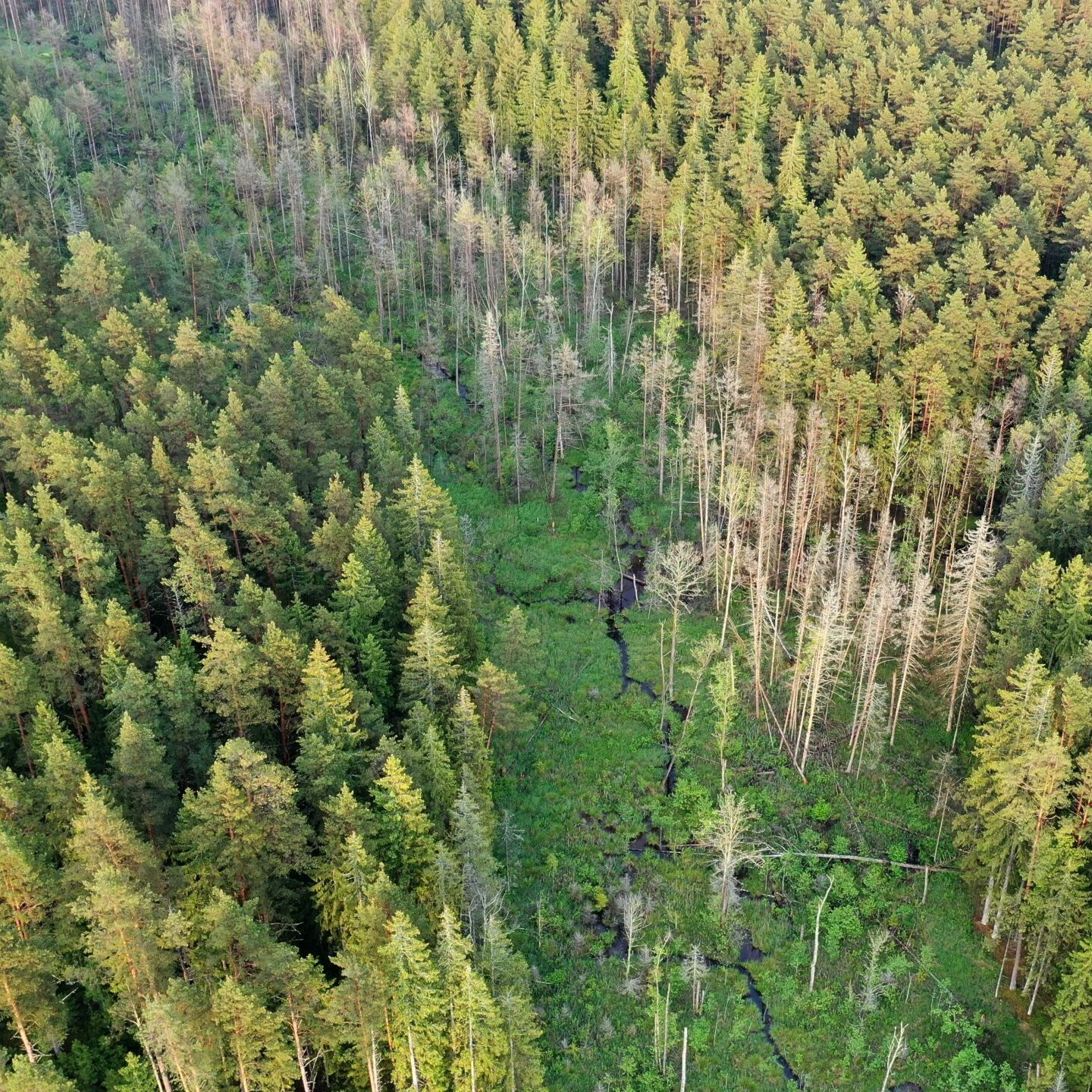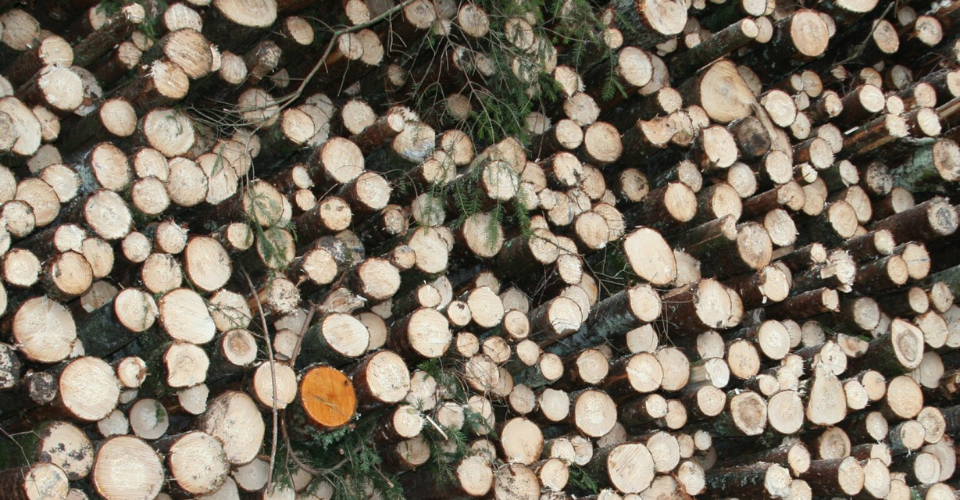


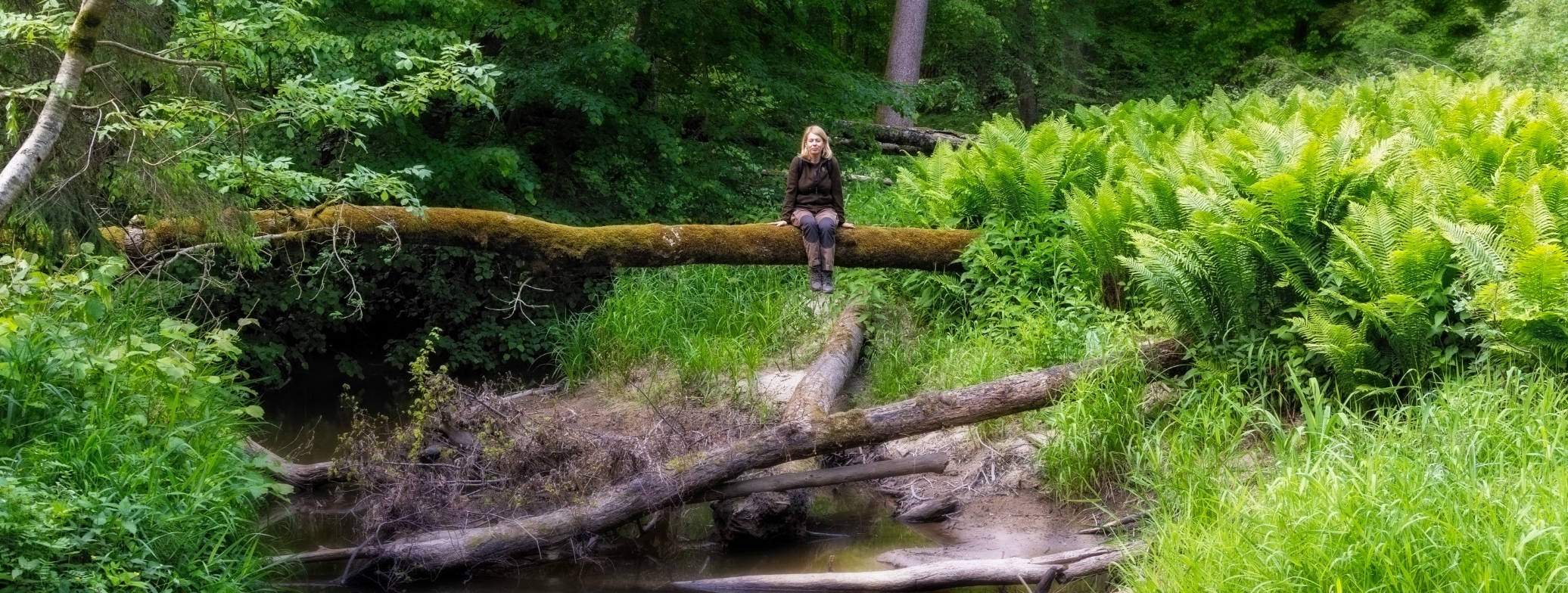
The forest is an invaluable treasure of our country. Since ancient times, Lithuanians have been drawn to the forest not only to gather berries or mushrooms but also to rest and recover. Today, it is increasingly recognized that the forest has a real, scientifically proven impact on human emotional and physical health. This connection is […]
A forest starts
with a pine cone
So that we all could enjoy forest, it has to be kept up. Therefore, we need to work every day – from seed picking to the care of centuries-old forests – at every stage of their life.
What we do for areas of restored forests:
- Define areas for afforestation
- Dry surface water
- Remove adverse trees and bushes
- Apply the measures to eradicate forest pests and fungal diseases
- Install drinking throughs for forest animals
- Plant nectar-bearing plants and bird food plants
- Prepare ground for coppice
- Select the composition of coppice
- Plant forests
- Evaluate the quality of afforestation works
- Execute forest fire protection
What we do for saplings:
- Protect coppice from wild animals
- Evaluate the sanitary state and health of saplings
- Fell trees and bushes of non-core species that overshadow the main ones
- Control the density of tree-nurseries
- Increase the resistance of tree-nurseries to environmental factors – strong wind, snow, etc.
- Evaluate the sufficiency of measures to form the composition of young stands
- Execute forest fire protection
What we do for half-life stands:
- Perform fells that are necessary to form forest
- Form stands that are attractive for recreational purposes
- Form the aesthetic appearance of stands
- Maintain optimal density of stands
- Eliminate pest focus zones
- Perform forest hygiene
- Execute forest fire protection
What we do for maturing stand:
- Eliminate pests and trees damaged by them
- Fell trees to form landscape
- Control tree relations
- Remove trees that overshadow main species
- Ensure optimal growth conditions to best trees
- Continue to form stand structure and composition
- Remove diseased trees
- Execute forest fire protection
What we do for mature stand:
- Perform deforestation of all kinds of trees
- Create favourable conditions to restore new, efficient and resilient stands
- Evaluate volume and composition changes
- Perform forest hygiene
- Execute forest fire protection
What we do for overmature stand:
- Perform deforestation of all kinds of trees
- Define areas of overmature stands
- List potential key forest habitats
- Perform forest hygiene
- Execute forest fire protection
What we do in protected forest areas:
- Maintain recreational objects and habitats that are important to European Community
- Eliminate pest focus zones
- Perform nature management measures
- Perform special fells to ensure biodiversity
- Perform selective deforestation to preserve or restore forest ecosystems
- Perform forest hygiene
- Execute forest fire protection
3times
more forests in Lithuania than it was in 20th century
3 000
– that many people take care of Lithuanian forests
60times
– that many times a forester visits a tree until it reaches full growth
3times
more forests in Lithuania than it was in 20th century
3 000
– that many people take care of Lithuanian forests
60times
– that many times a forester visits a tree until it reaches full growth