

Ecosystem
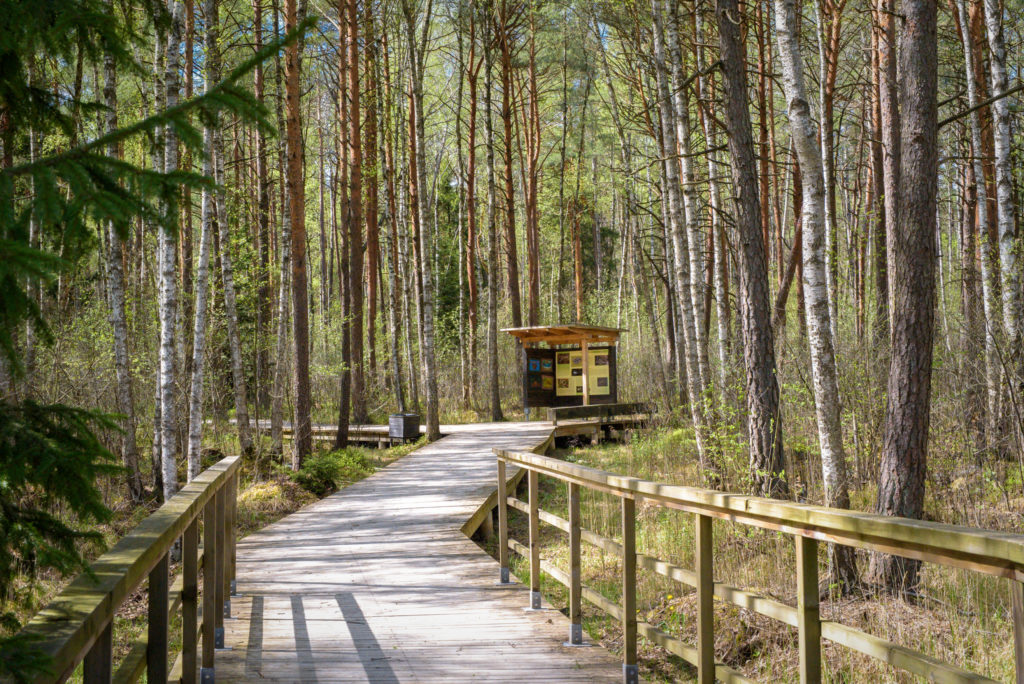
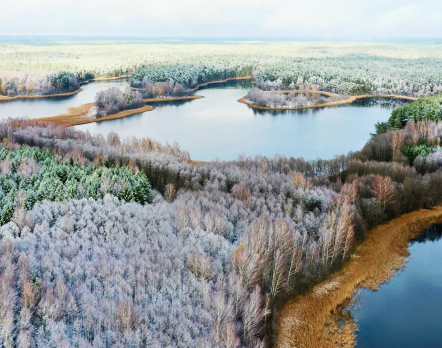
An ecosystem is a complex and dynamic combination of plants, animals, microorganisms and the natural environment that exist together as a whole and depend on each other. It can be a forest, a wetland or a meadow. Ecosystems are the foundation of all human life and activity.
Habitat
A habitat is the natural home of living organisms or individual species. It can range from a part of a single tree to entire regions, such as a coniferous forest.
Key Forest Habitat
A key forest habitat is an undisturbed forest area where there is a high likelihood of finding endangered, vulnerable, rare, or protected species and their specialized habitats. Most designated key forest habitats are located in state forests where no economic activities are carried out.
The first inventory of key forest habitats in Lithuania was conducted in 2002-2004. During the inventory, a key forest habitat inventory card was filled out, describing the characteristics that define the key forest habitat: habitat location, type, negative factors, values and measures most suitable for preserving biodiversity values. The biodiversity values depend on the type of key forest habitat. To preserve the habitat, it is best not to carry out any economic activities within it.
Maintenance work is carried out in natural habitats to support them, known as nature management work.
Nature Management
Nature management is a planned system of measures aimed at maintaining, improving or stabilizing the condition of ecosystems and their components, restoring or creating new ecosystems to preserve biodiversity.
Gallery(14)



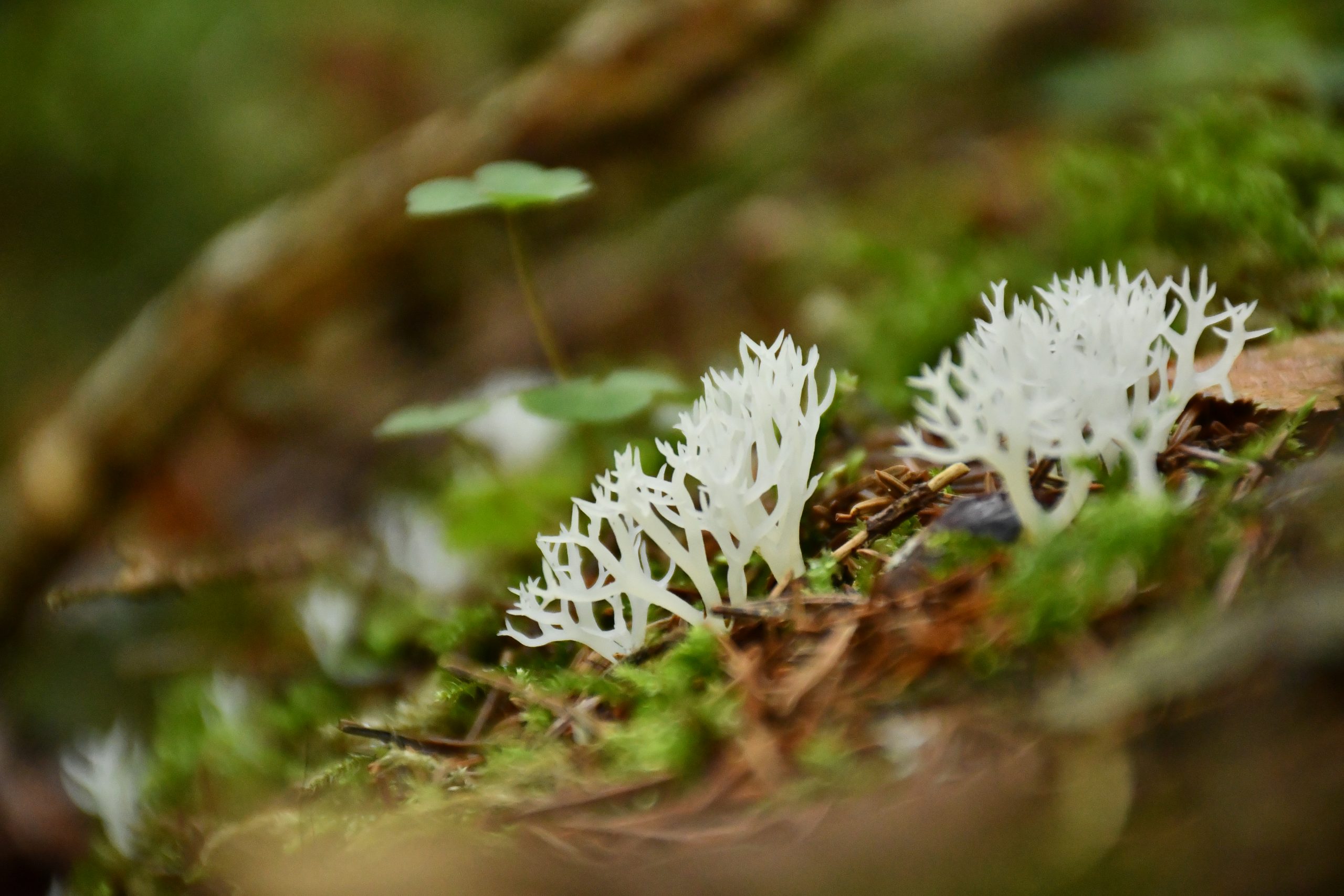


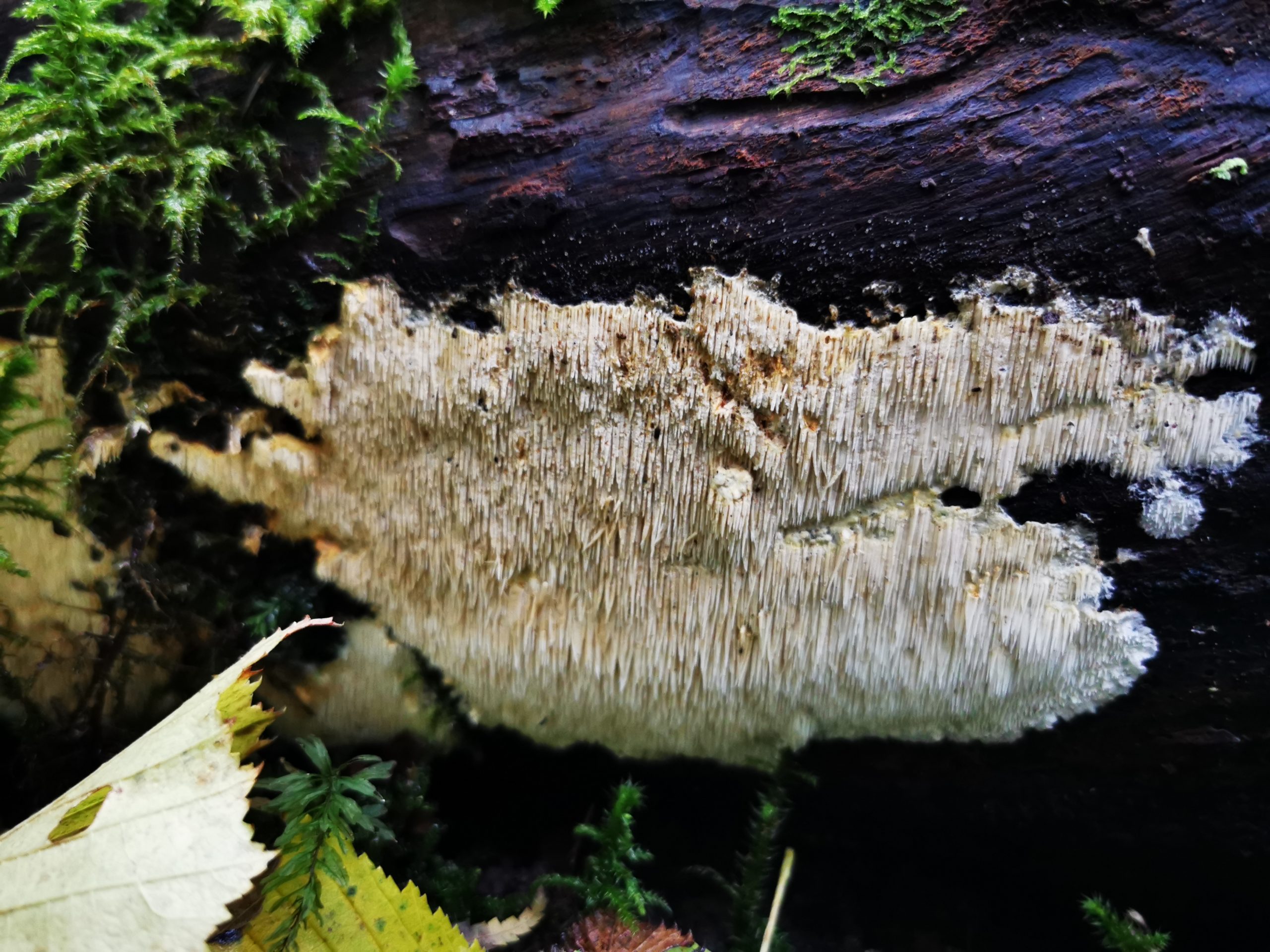


Natura 2000
One of the most important nature management measures is “Natura 2000.” This is a network of special protected areas in the European Union, uniting all 27 EU countries to preserve Europe’s most valuable natural habitats, plant and animal species, and their habitats for future generations. Currently, nearly 28,000 such areas have been established in Europe, covering about 18% of the EU’s land area and 10% of its marine area. In Lithuania, 85 Important Bird Areas (IBAs) and 580 Sites of Community Importance (SCIs) have been designated so far, including areas that meet the selection criteria for the protection of natural habitats, collectively covering about 13% of the country’s territory.
Species Assemblage
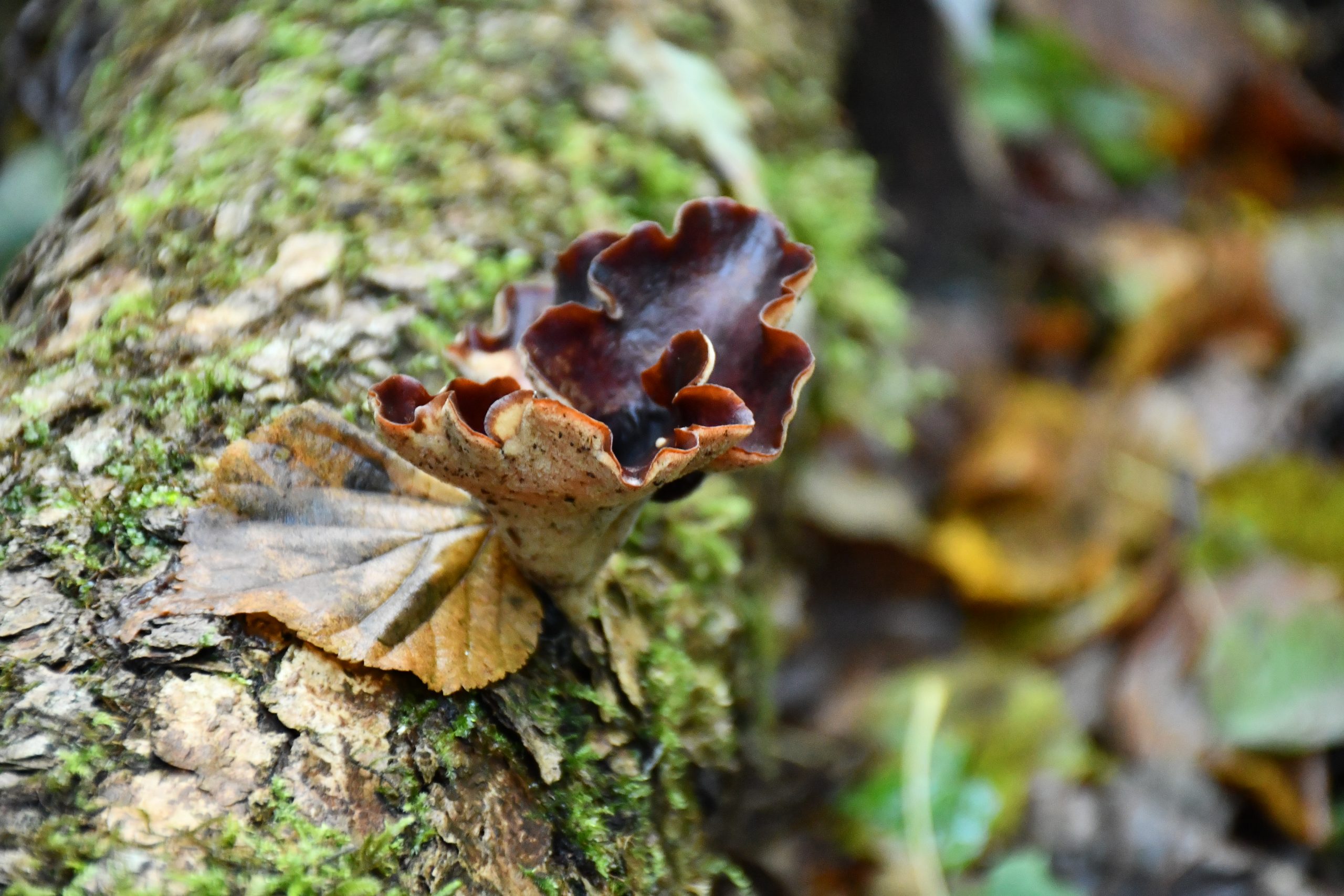
Species assemblage forms ecosystems that depend on one another. The extinction of a single species can disrupt the balance of the ecosystem. Therefore, it is very important to preserve all naturally occurring species.
Gallery(5)


Great Attention to the Endangered Species of Mammals - Bisons
1854
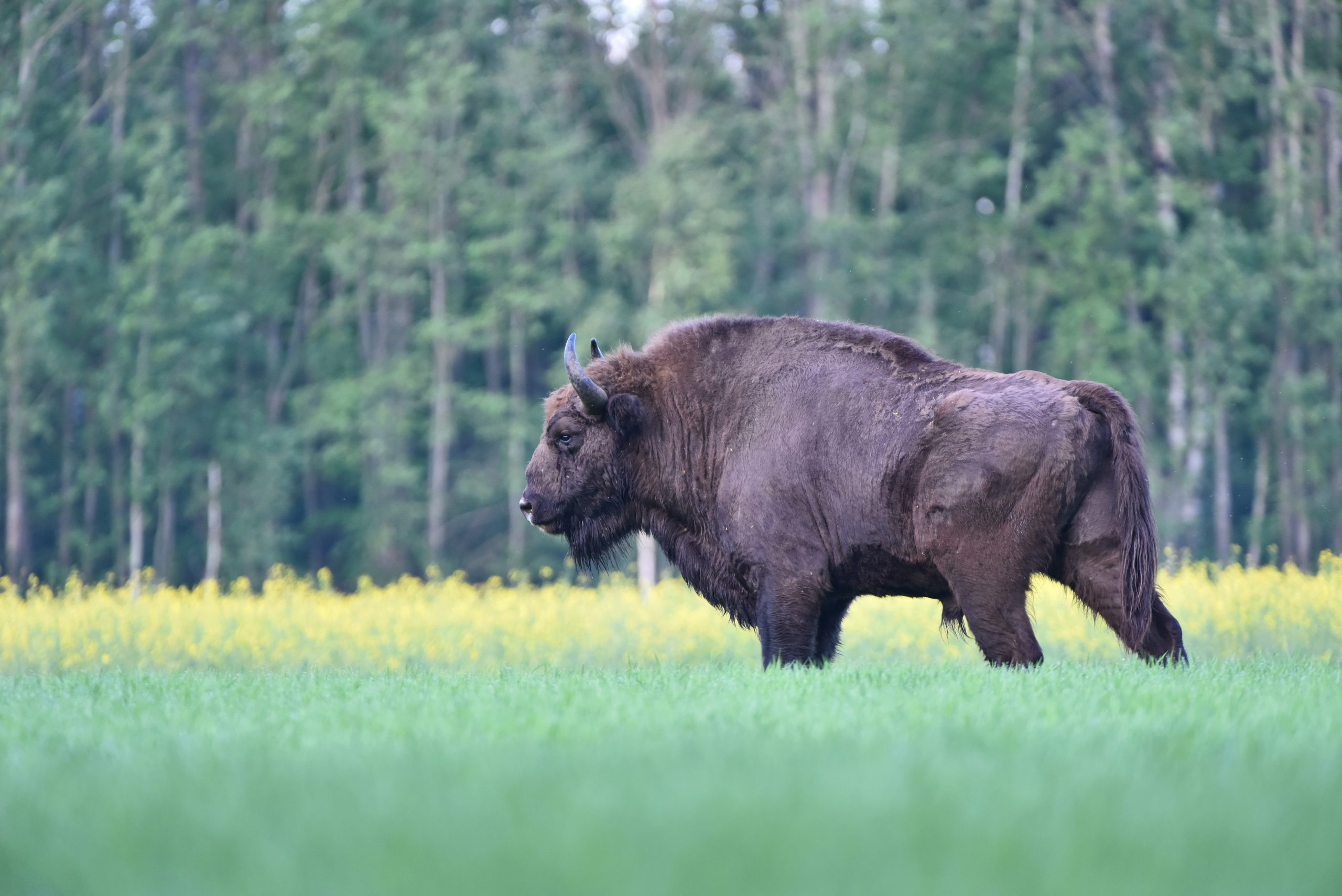
Until the 16th century, bisons were widespread throughout Europe. However, due to the expansion of agriculture, the rapid increase in human population and hunting, bisons were pushed into less suitable, remote, and dense forests. By 1854, all bison in Lithuania had been exterminated.
1923
In 1923, the International Bison Conservation Association was established, which inventoried all the remaining bisons in zoos, parks and private estates across various countries. There were 54 purebred bison left, 42 of which belonged to the Lithuanian lineage.
1969 - 1970 - 1972
In Lithuania, the European bison (Bison bonasus L.) has been protected since 1969. Currently, it is listed in the Republic of Lithuania’s list of protected animal, plant, and fungal species and the European Community's list of species requiring strict protection. In 1969, the first two European bisons, Motak and Moda, were brought from the Prioksko-Terrasny Reserve in Russia to enclosures set up in the Pašiliai Bison Reserve on 50 hectares. In 1970, six more bisons were brought in, and in 1972, another two. Bisons born in the Lithuanian reserve are given names starting with the letters "Gi" according to an international agreement and are assigned an international number. Released into the wild, the bisons settled near the enclosure, and now their herds are spread across central Lithuania, mainly in the municipalities of Panevėžys, Kėdainiai and Radviliškis districts.
2014
On October 10, 2014, the Minister of Environment of the Republic of Lithuania approved the Bison Conservation Plan. The plan's goal is to implement measures that contribute to maintaining a favorable conservation status of the bison population in Lithuania. The plan revealed that the current habitats of free-roaming bison, especially in the Kėdainiai district municipality, are not suitable for ensuring the long-term viability of the species. It is crucial to create conditions for the bison to access suitable living areas where they can better meet their biological needs. Research identified a new area in the Dzūkija National Park, located in the Marcinkonys forestry area of the Varėna regional unit of the Lithuanian State Forest Enterprise, with larger forested areas and river valley meadows with limited economic use. Moreover, if bison settle in southern Lithuania, genetic exchanges with bison populations in Belarus and Poland would be facilitated. Enclosures in the Ubiškės forestry area of the Telšiai regional unit and the Krekenava forestry area of the Panevėžys regional unit will be used for temporarily housing bison taken from the wild, selecting individuals, forming herds, and facilitating genetic exchanges before moving them to temporary or permanent enclosures in other regions. Additionally, these bison reserves serve educational, awareness-raising, conservation, and genetic purity preservation functions for this endangered species.
Gallery(4)