


Map of recreational facilities
We pay a lot of attention to recreation, we install rest and respite places, maintain and manage them. Every year we install new recreation facilities and renovate existing ones.
Exclusive places to visit
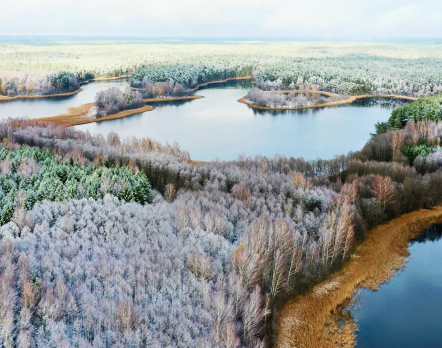
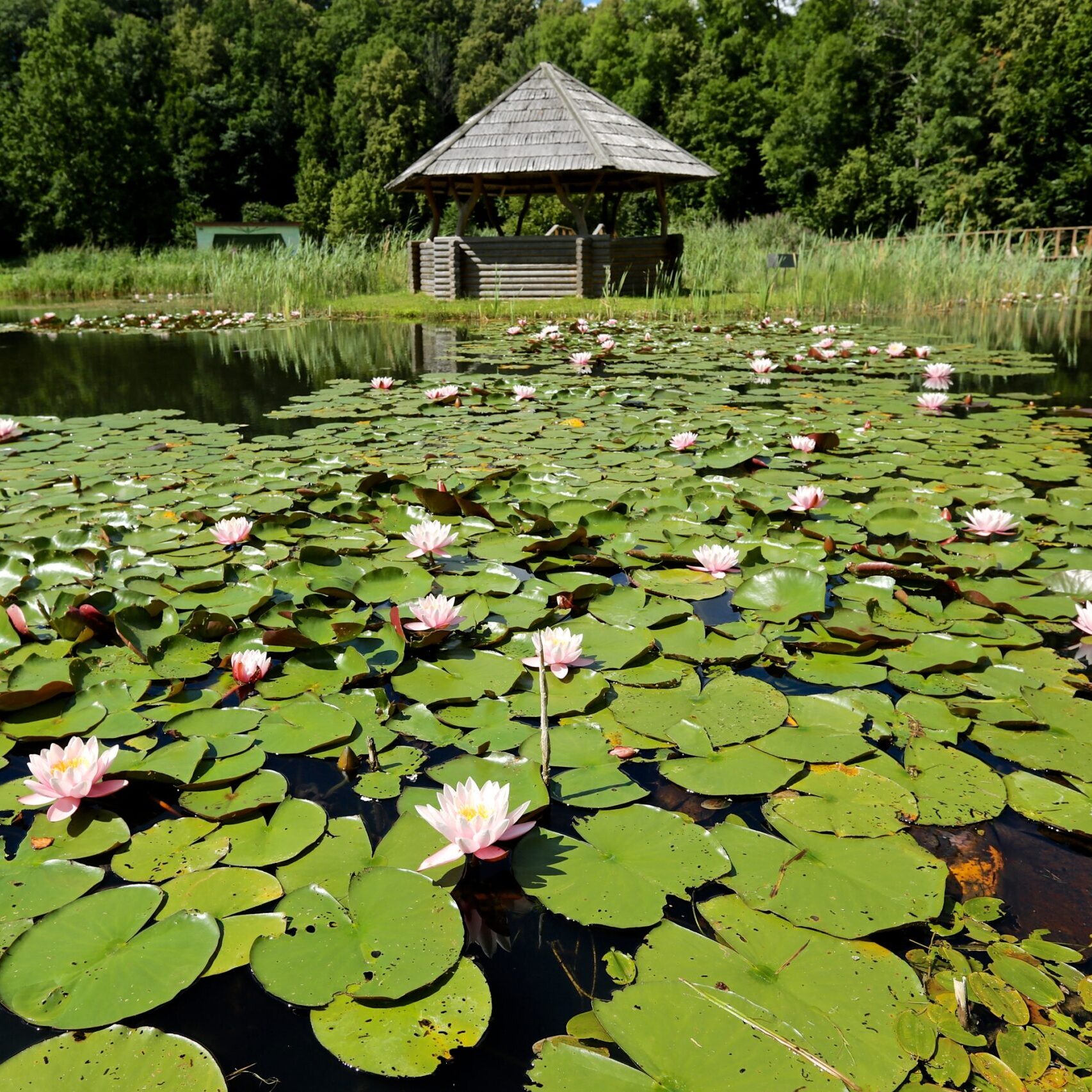
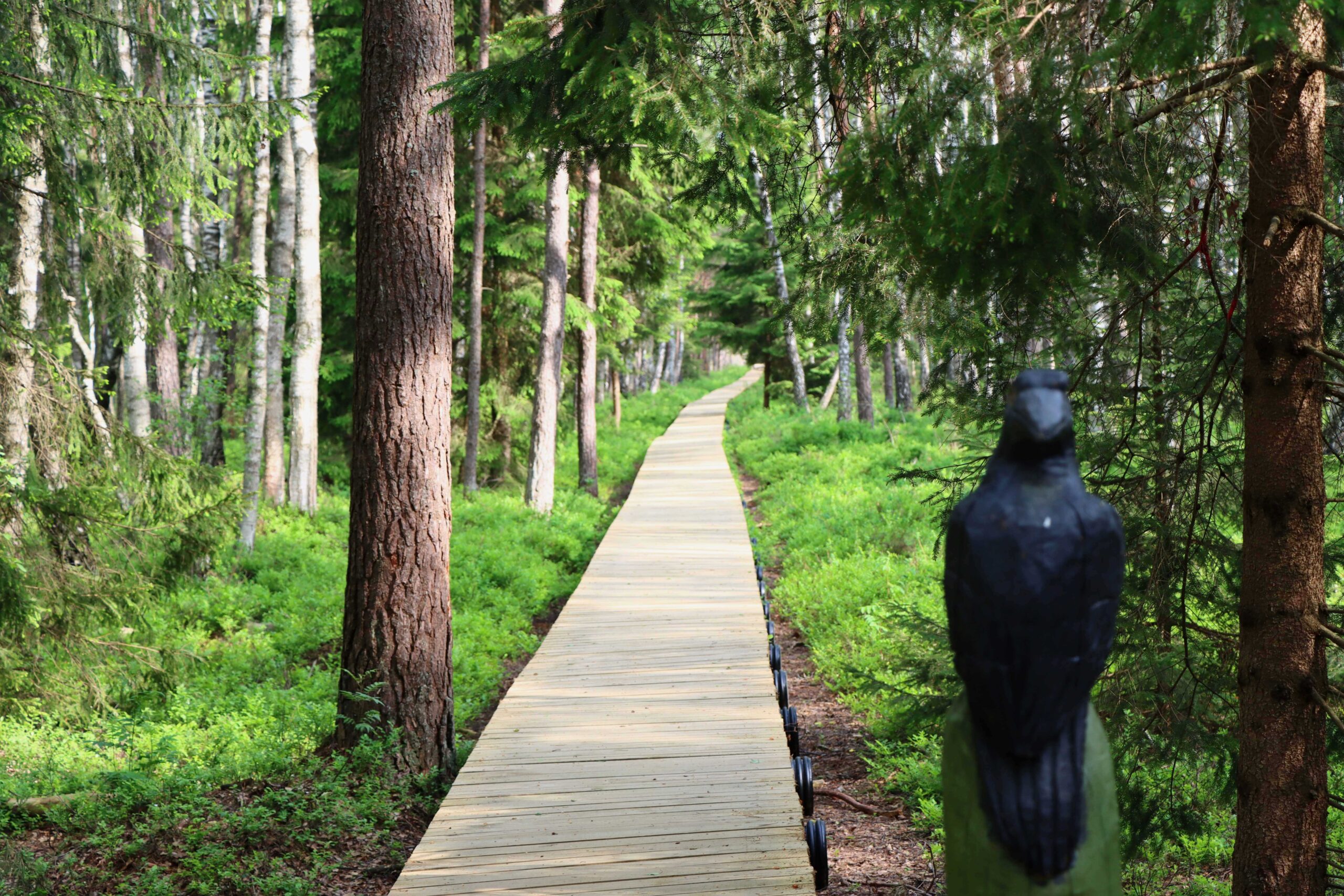
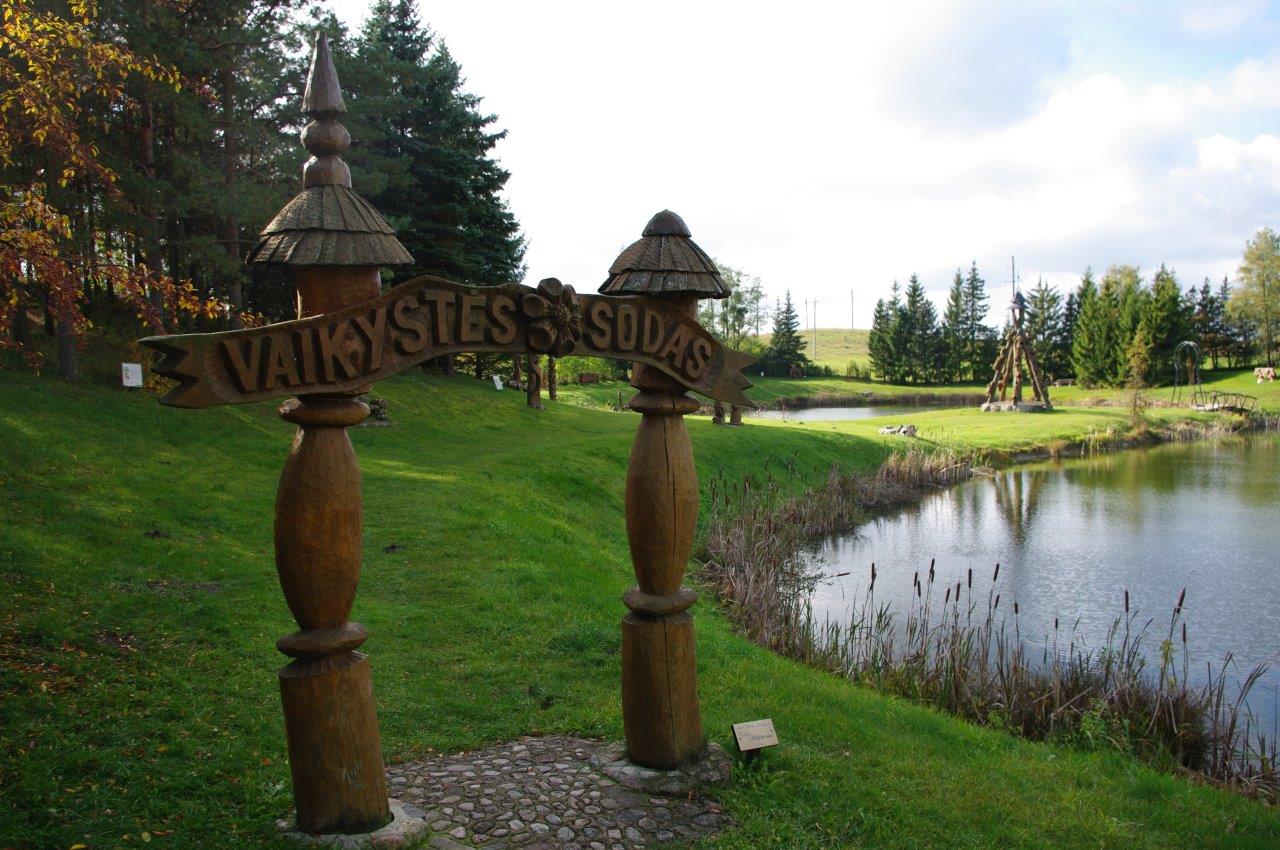
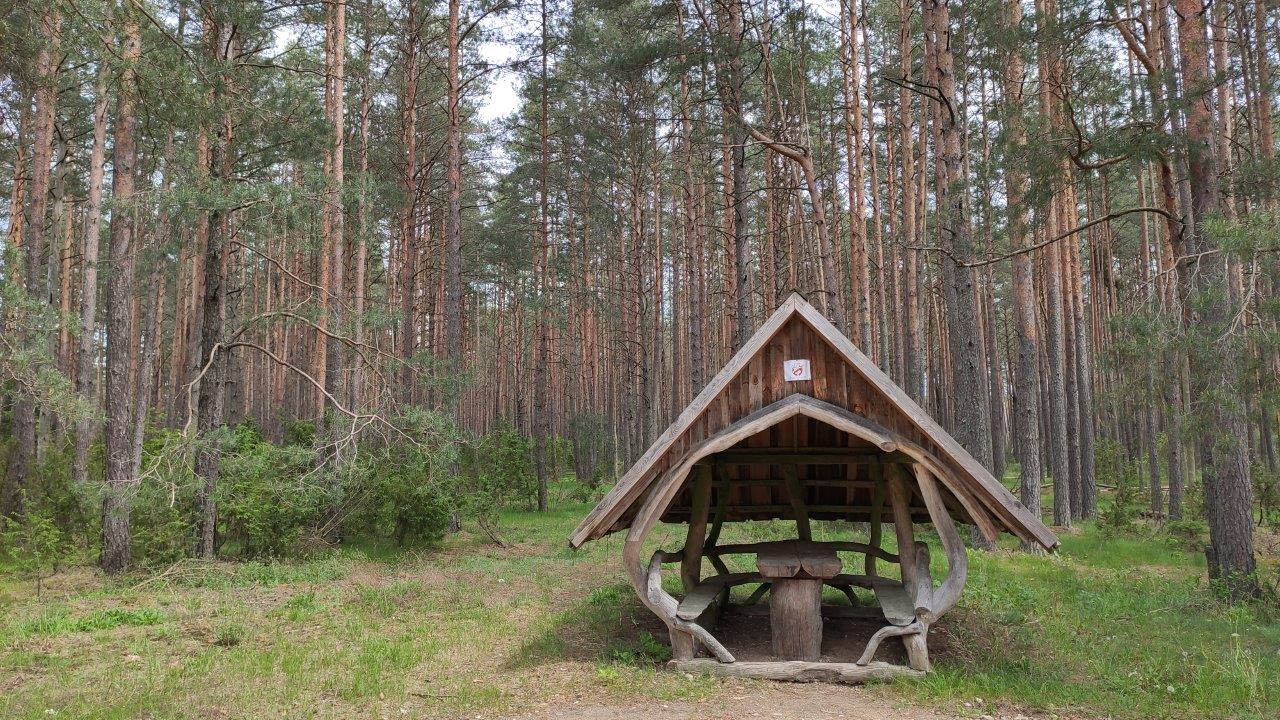
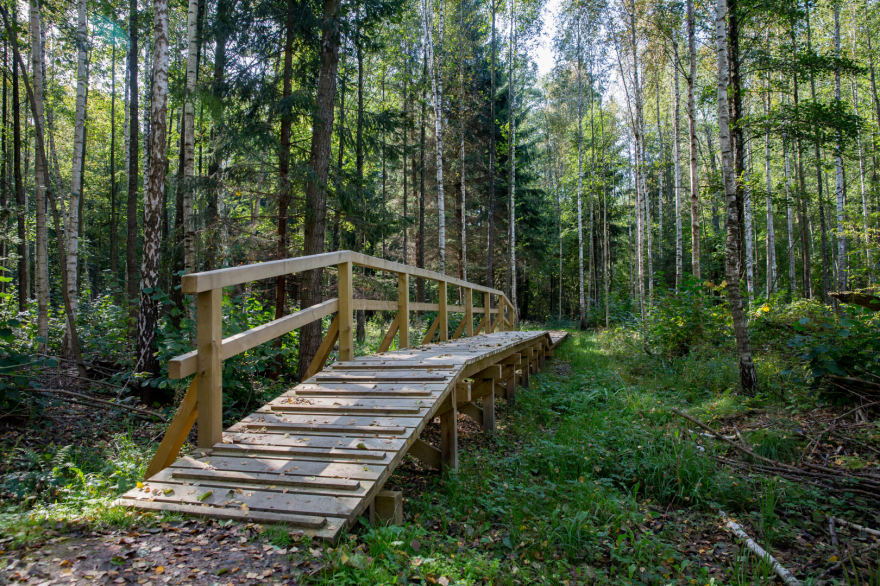
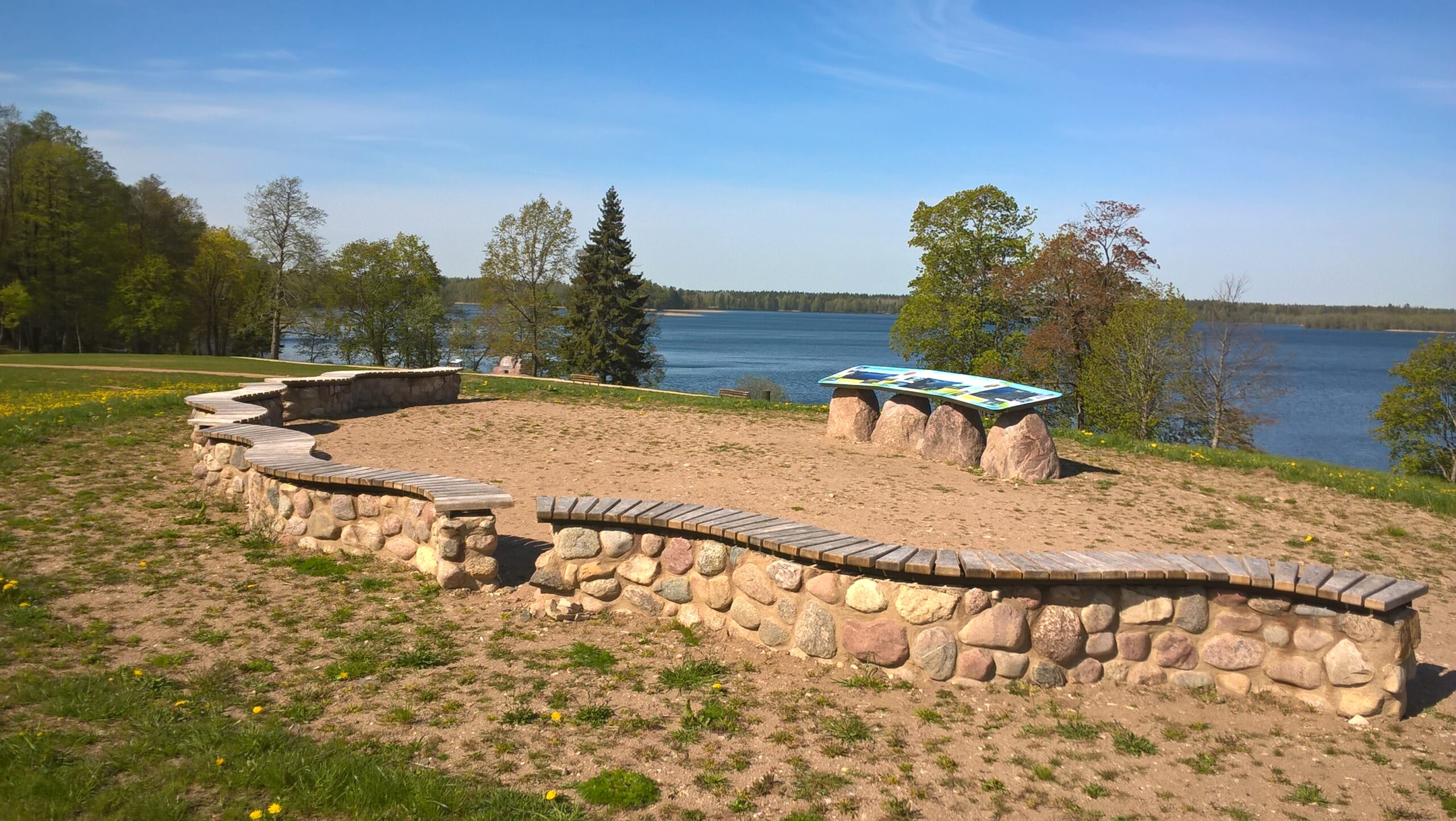
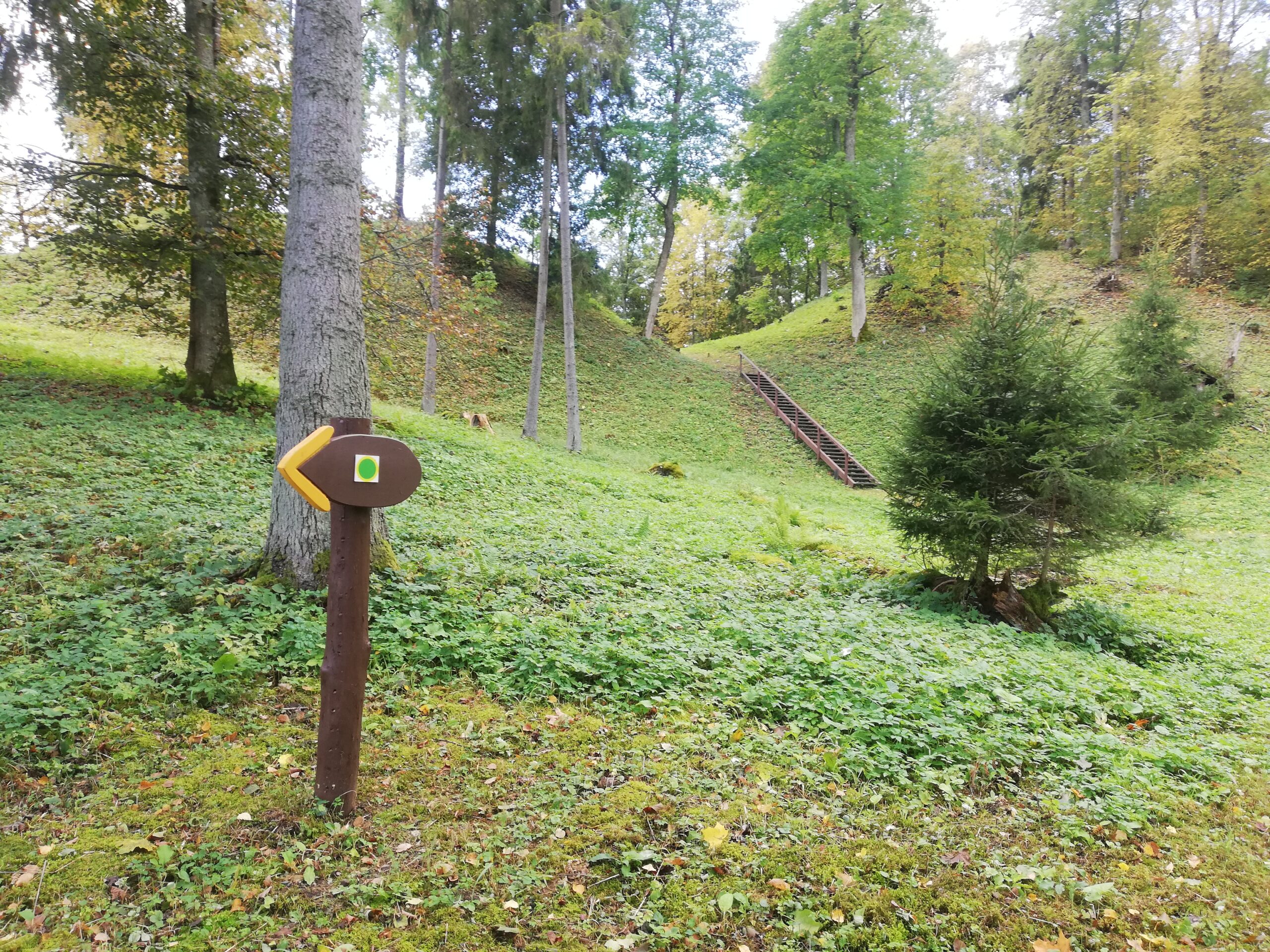
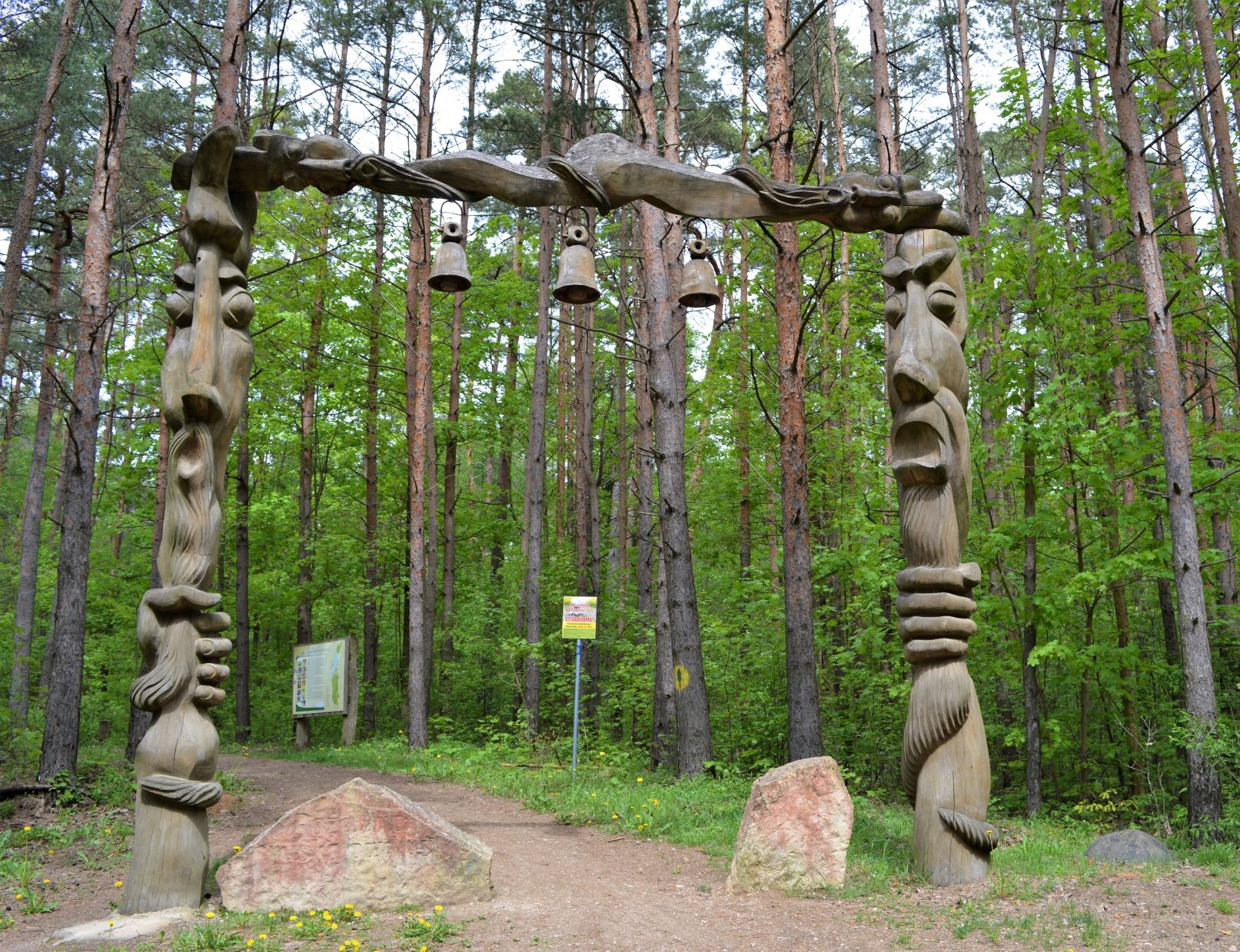
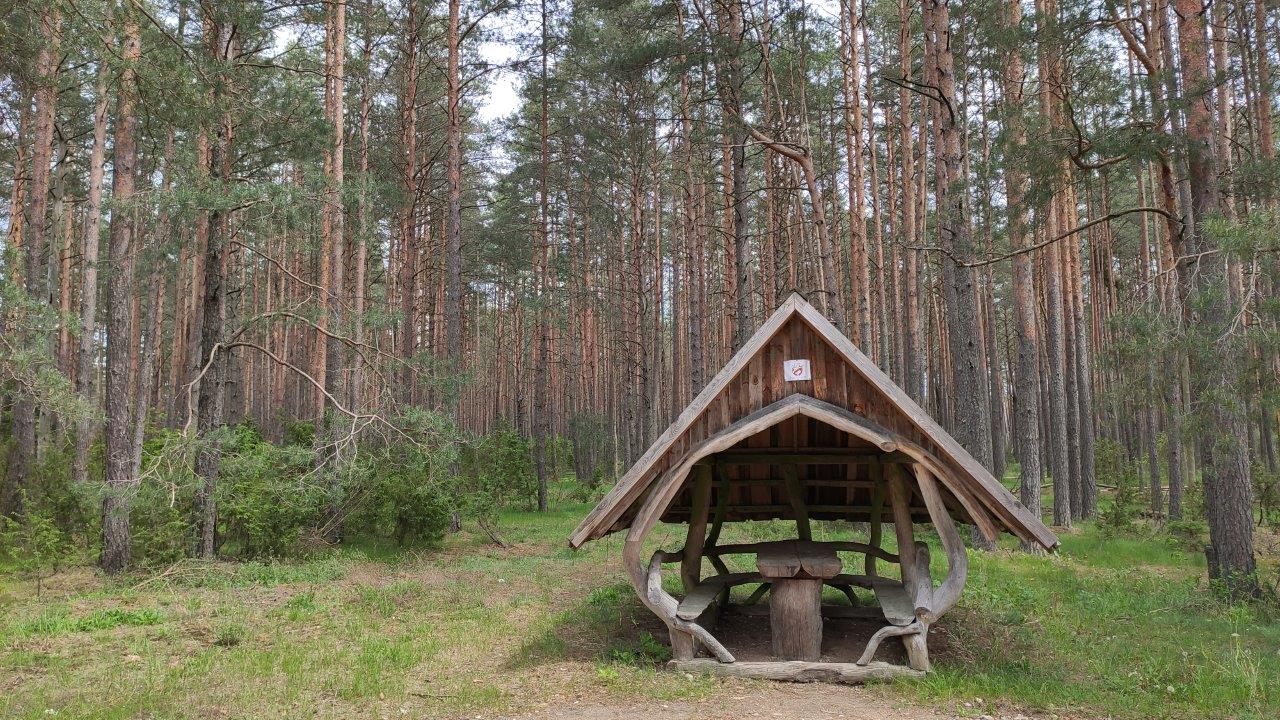
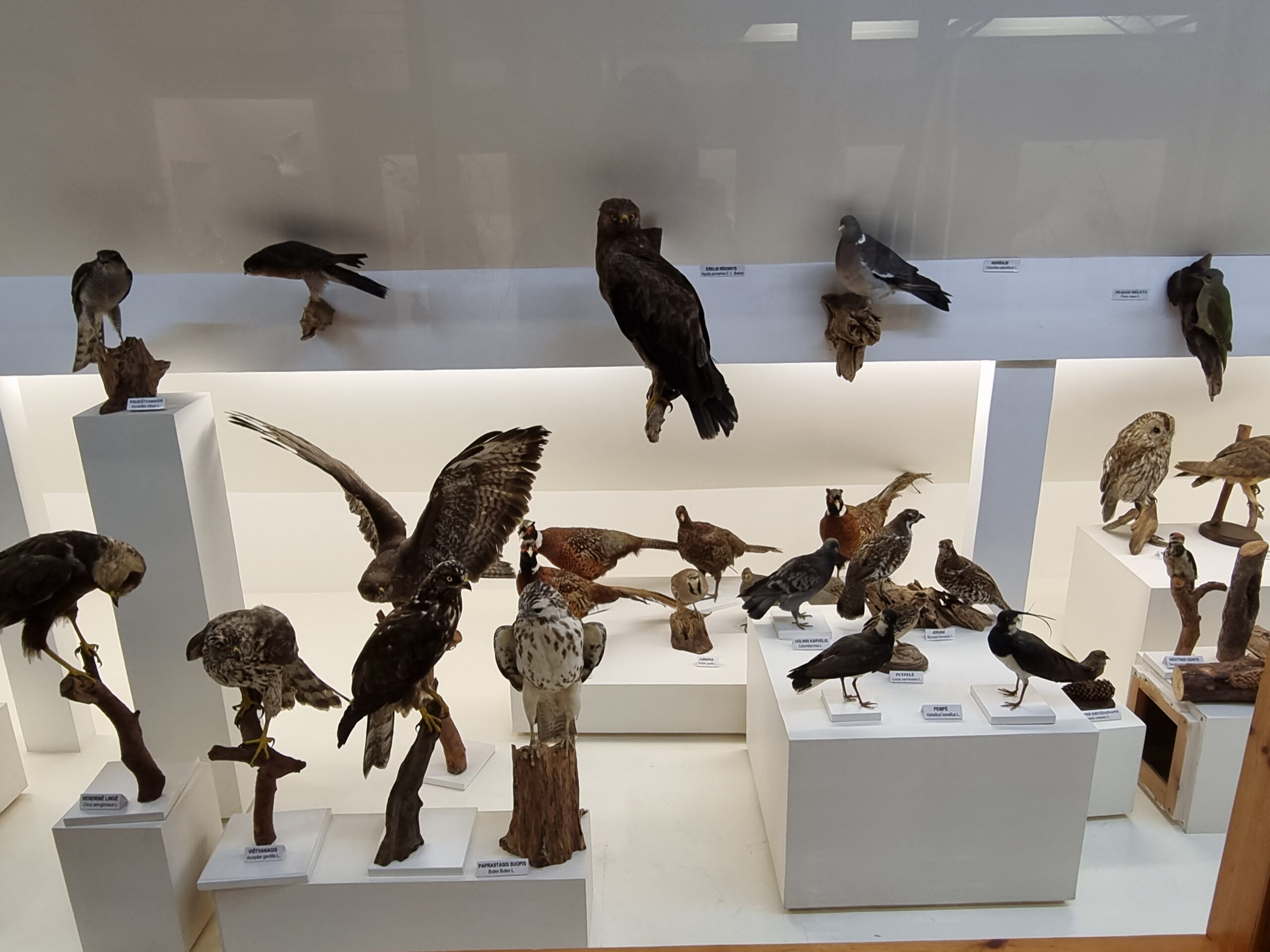
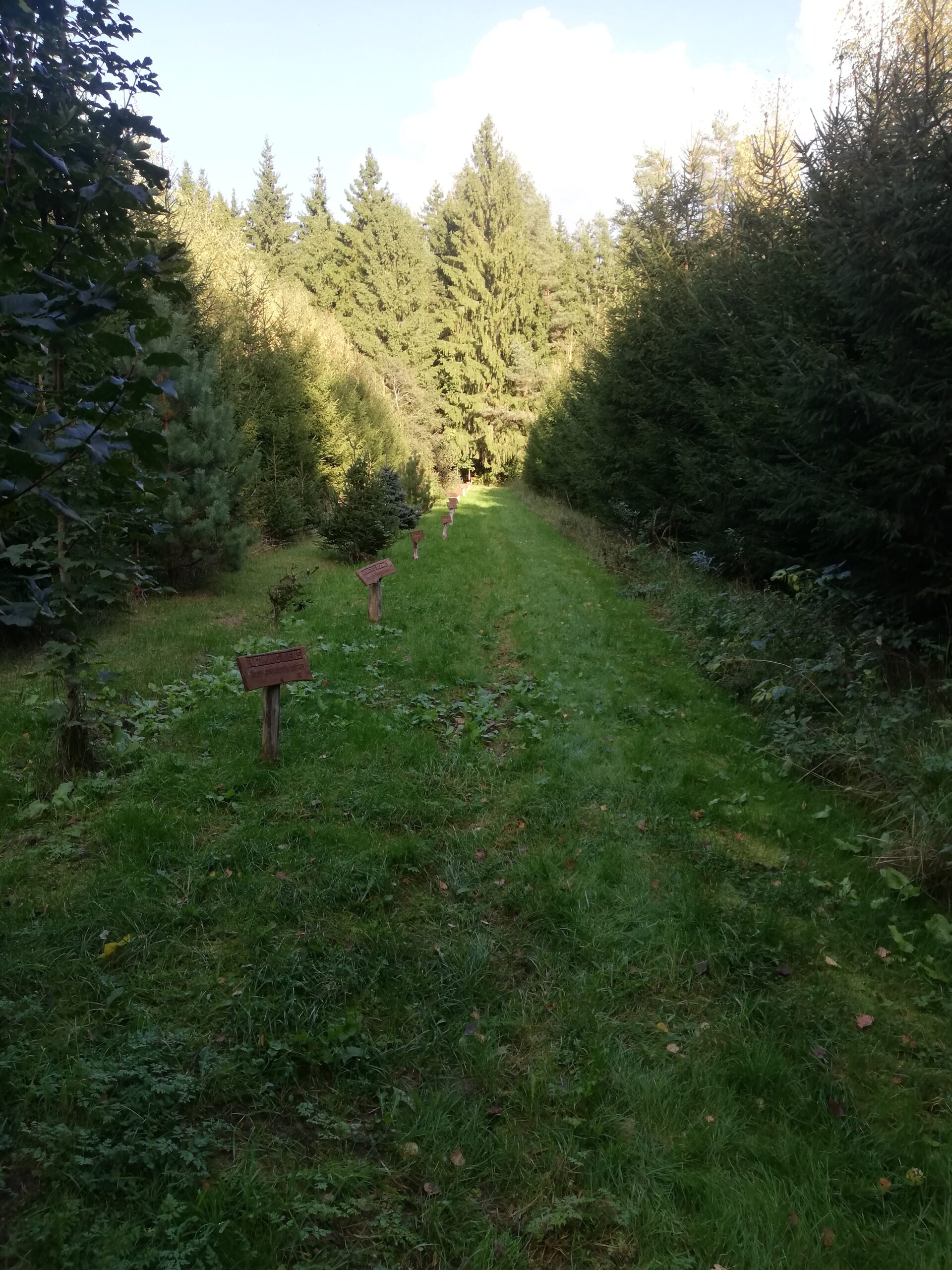
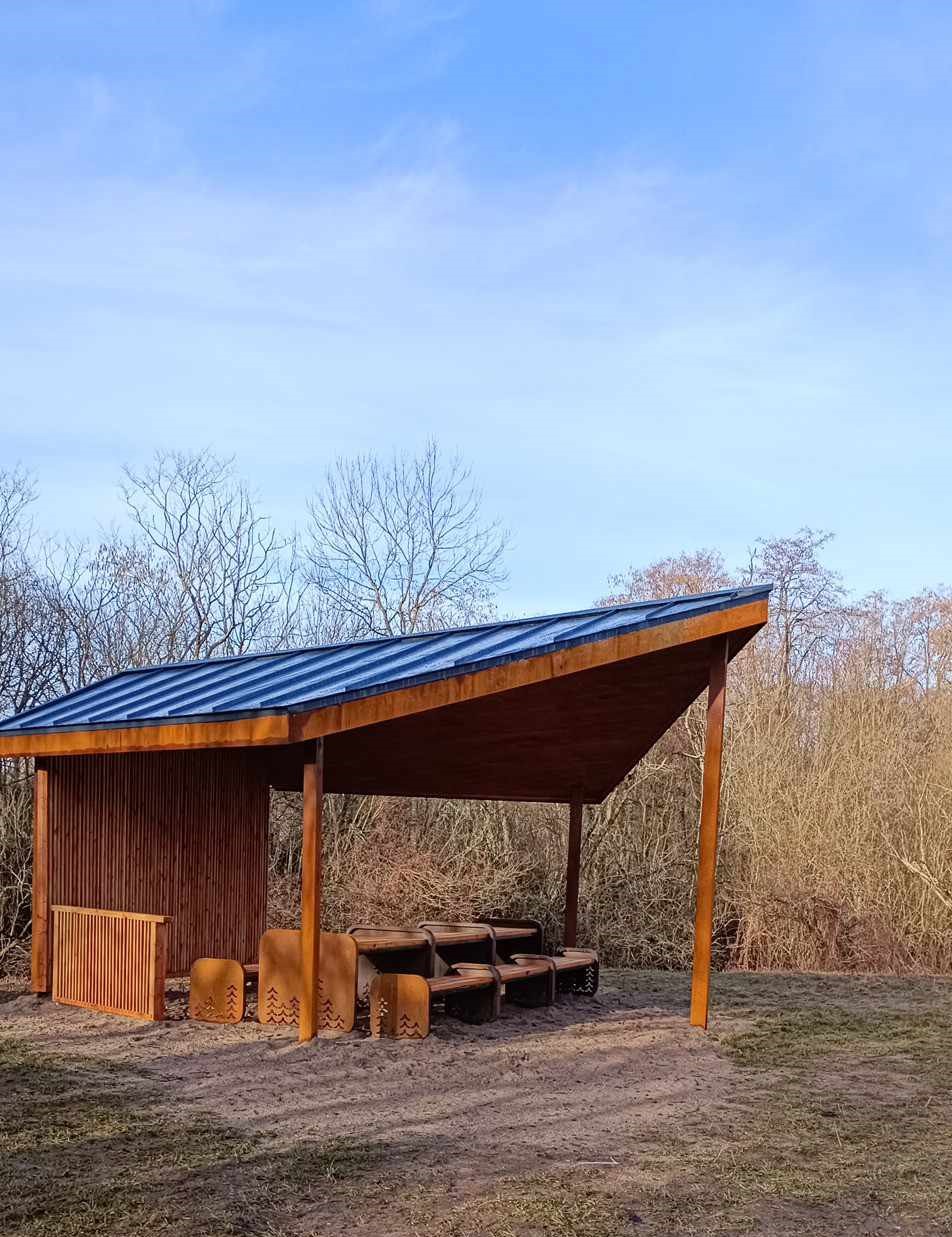
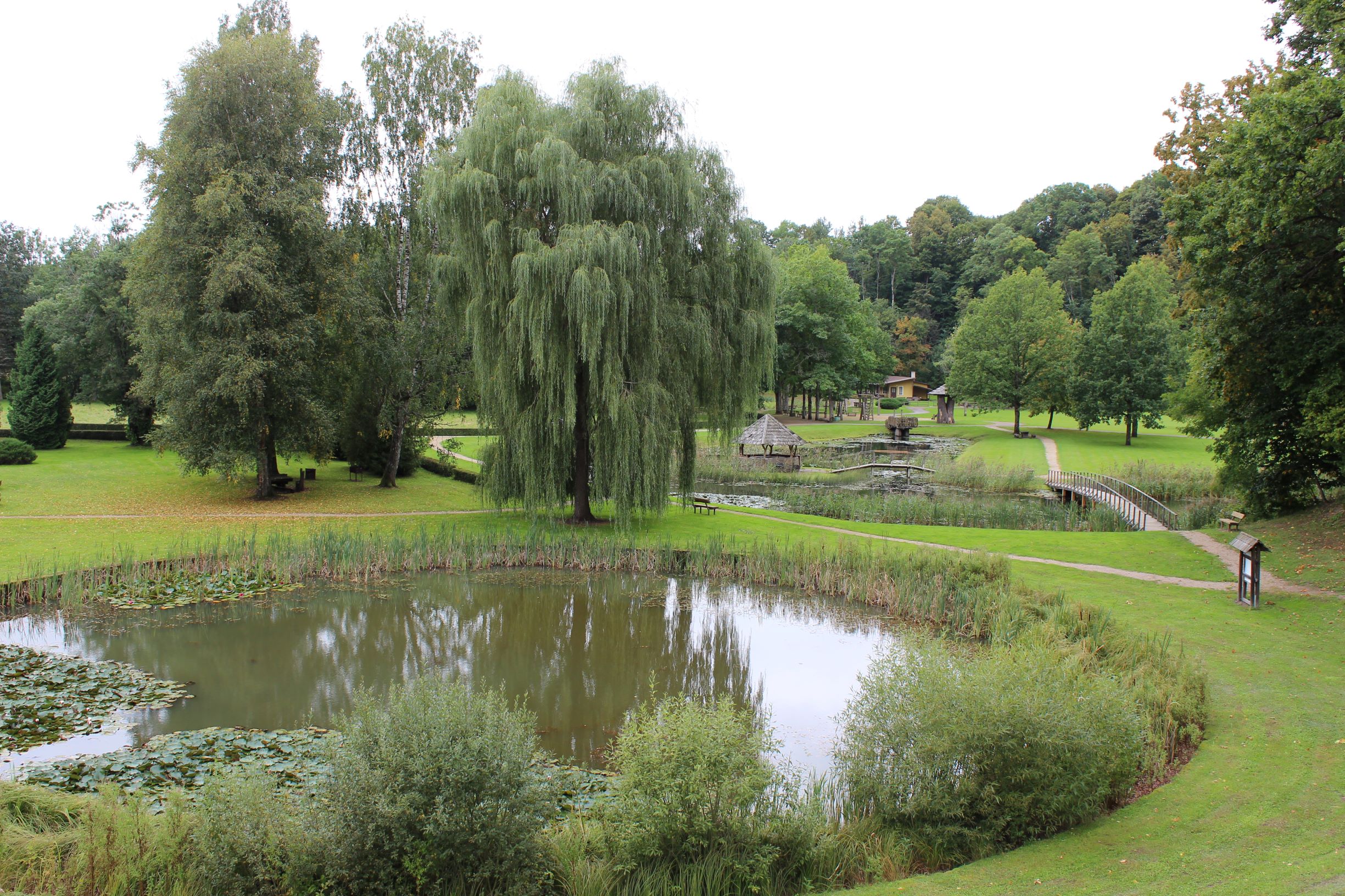
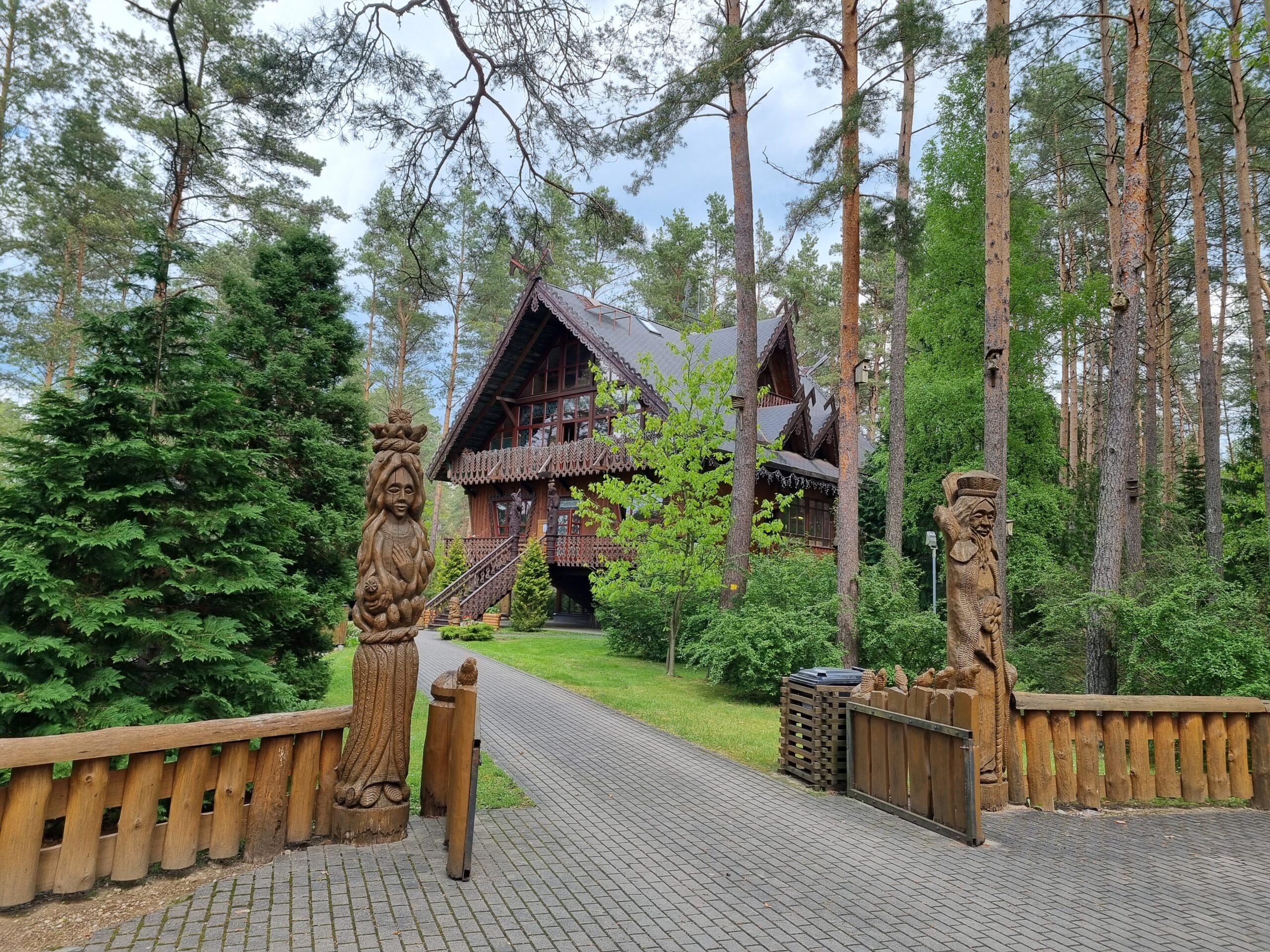
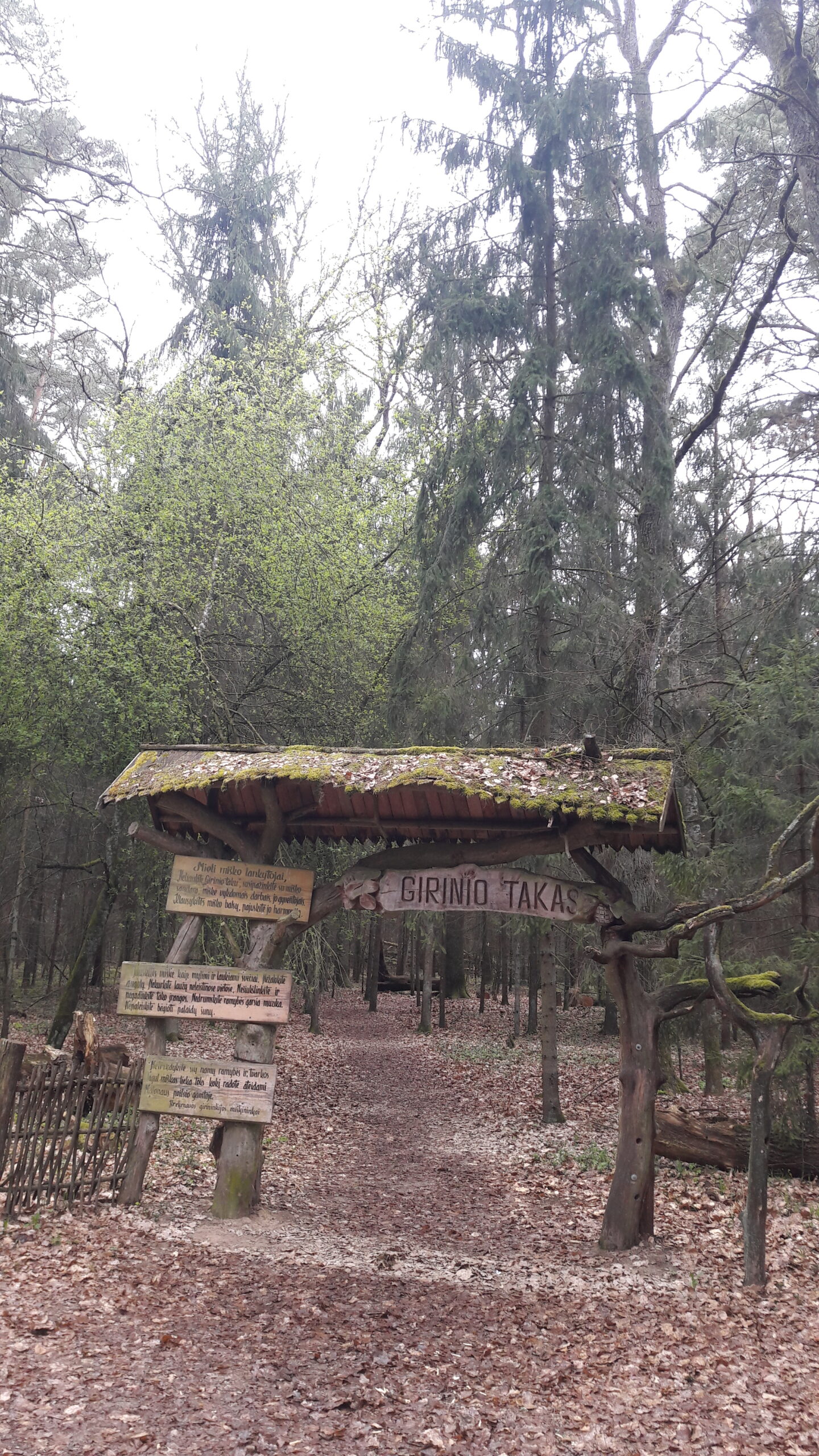
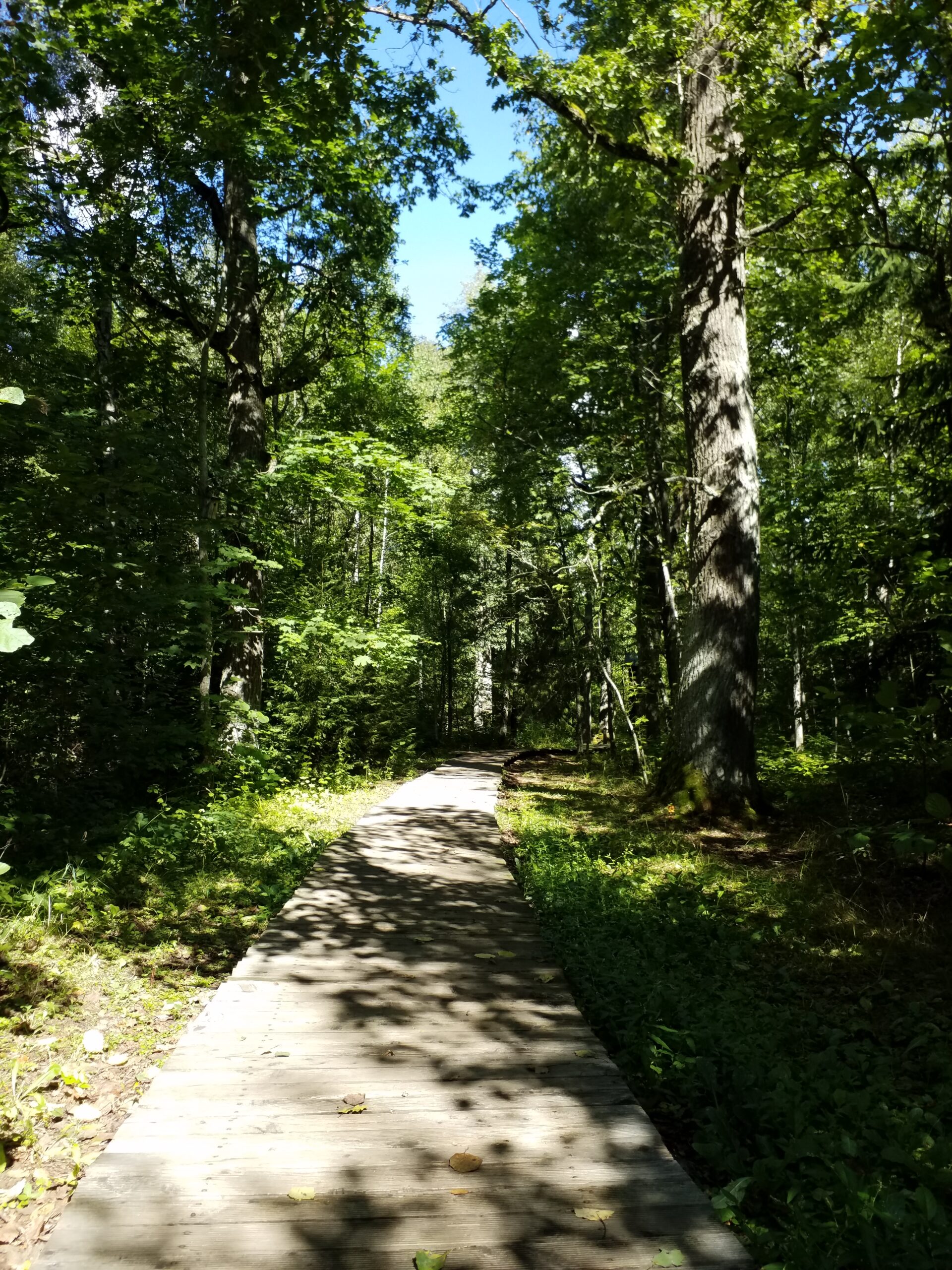
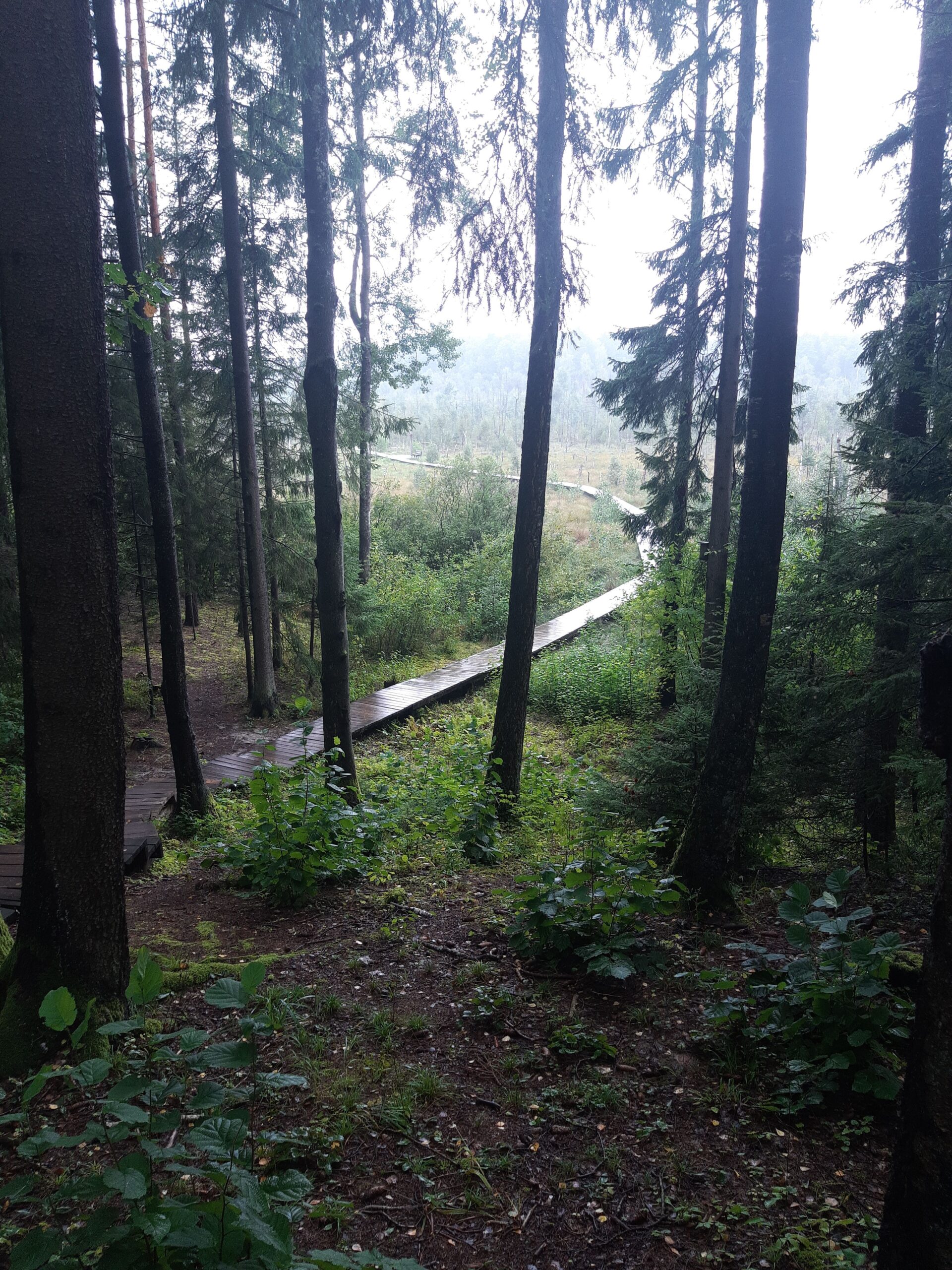
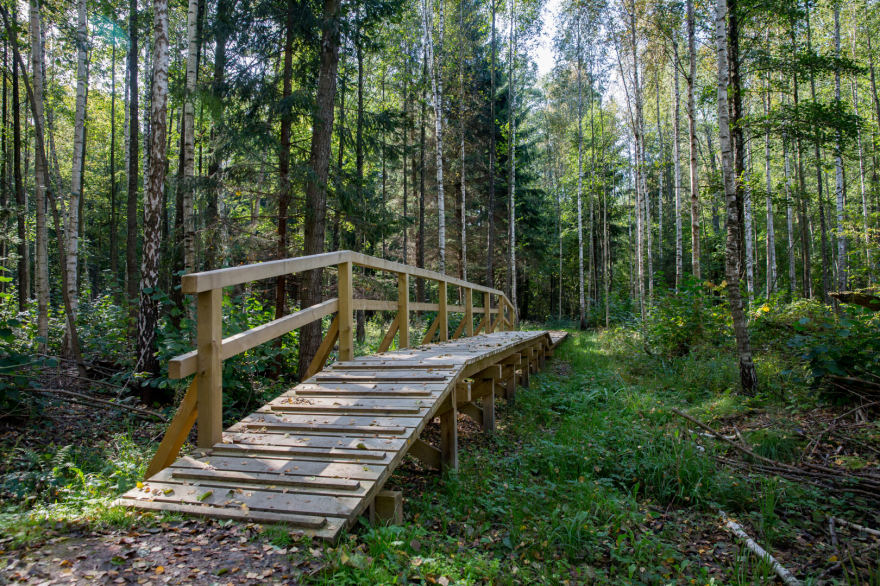
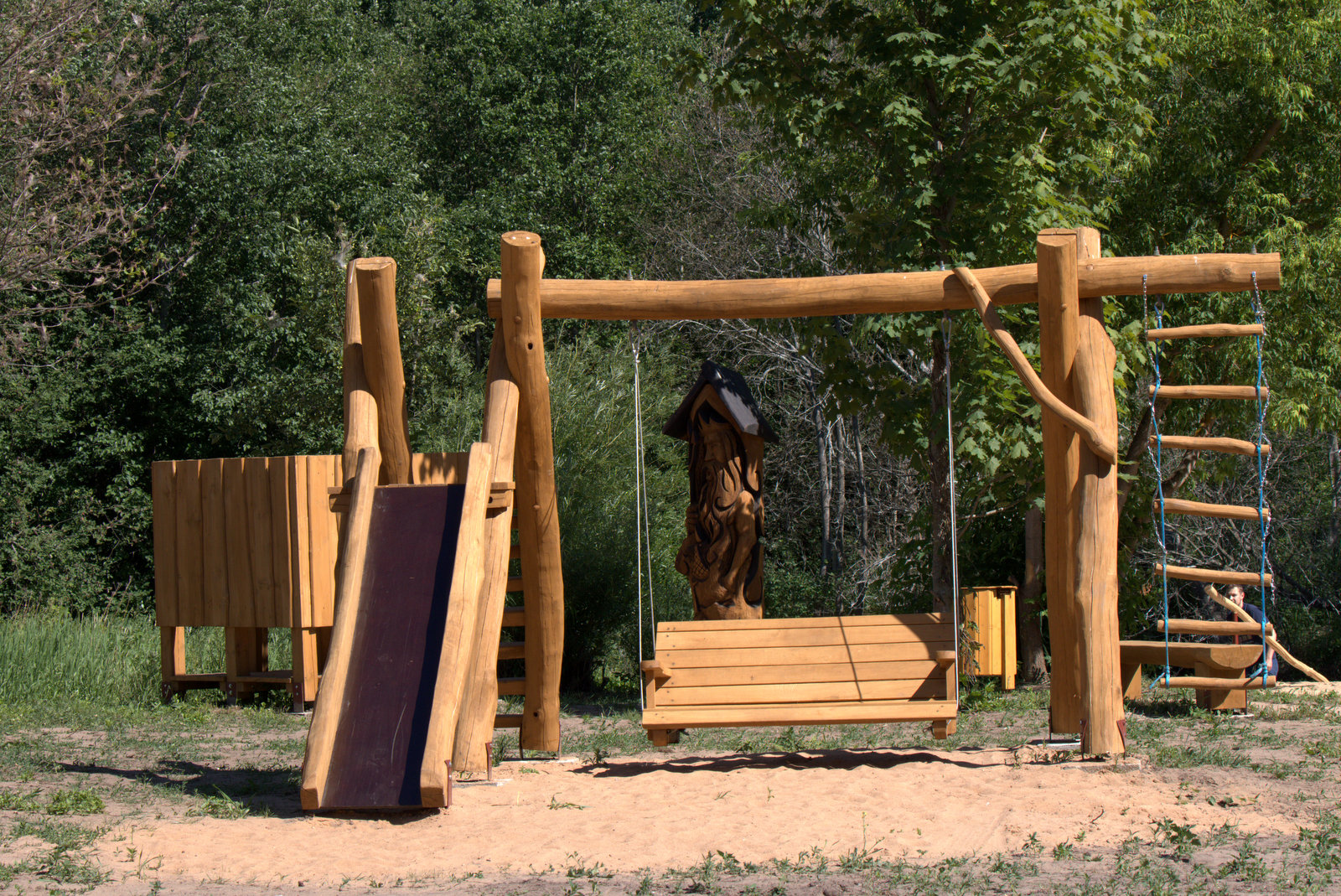
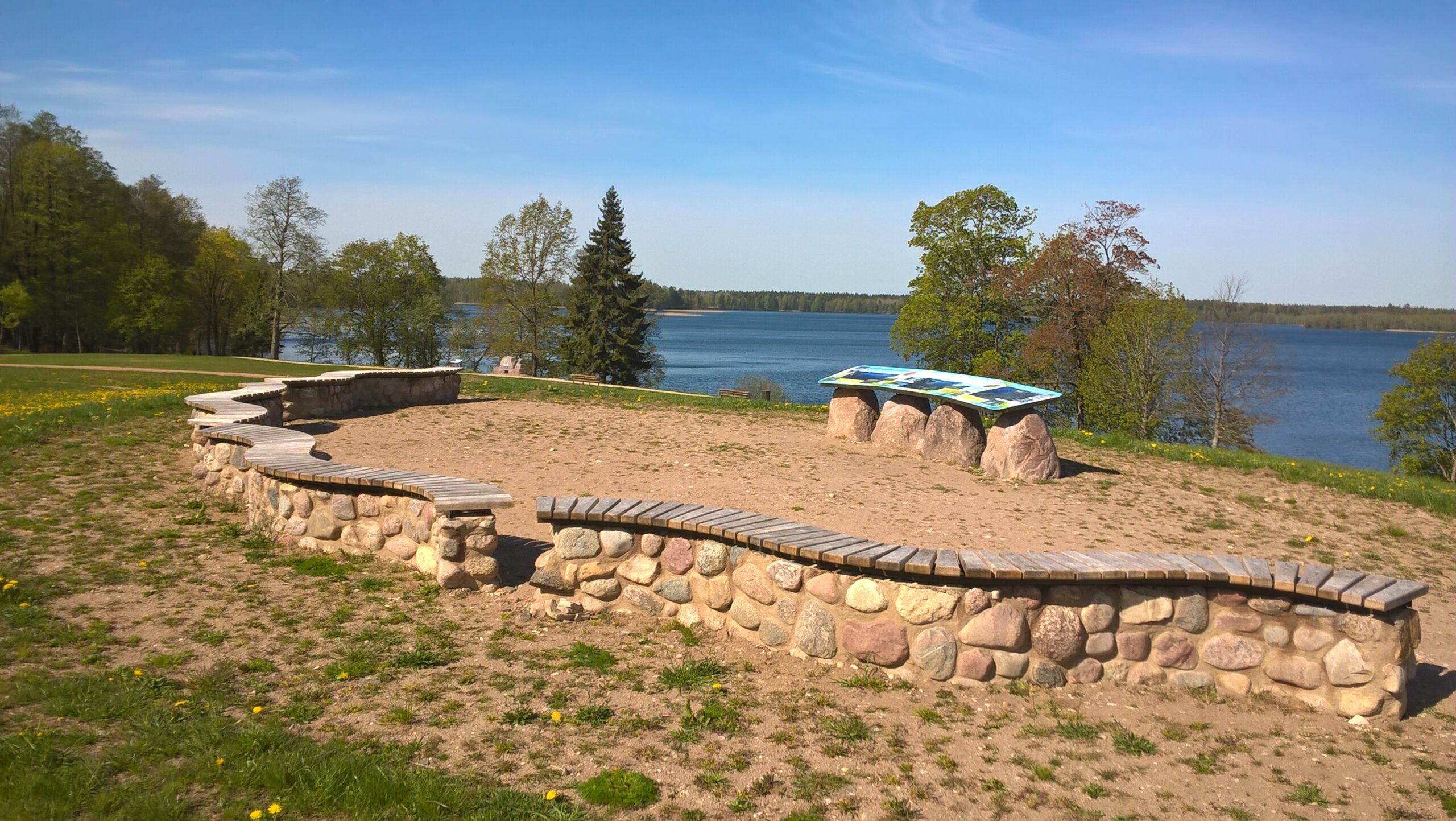
We maintain about 1107 public recreational facilities throughout Lithuania: educational trails and educational complexes, campsites, rest areas, observation decks, rest areas – many different places of interest where you can learn more about the history of the country, deepen your knowledge of nature or simply enjoy the wonderful views while camping or walking in the fresh air.
Foresters always looked after and created new recreational facilities for visitors. Over 60 new recreation facilities have already been designed in the last three years of the State Forestry Agency’s activity. We have created a map of recreational facilities for the public, where almost everyone will find a place that they would like to explore more closely. There are 1150 recreational facilities of the State Forestry Office on the map. It contains the names, brief descriptions, and photos of recreational facilities.
Map of representative areas
The Lithuanian State Forest Enterprise, which voluntarily oversees representative areas in which protected values are nurtured, has created and presents to the public a map depicting these areas. With the help of this tool, residents interested in the forest can easily find representative areas where the ecosystems characteristic of the existing area are protected. Representative areas include key forest habitats (including potential ones), state-protected botanical natural heritage sites, nesting areas of protected bird species, tree-covered pastures, dry oak groves, riverside elms. As well as areas from all the diversity of these territories: natural habitats of European Community importance, sites of protected species, fire areas that are not required to be restored, reserve forests and other valuable forest areas. Only nature management measures aimed at maintaining or improving the state of environmental values can be carried out in these areas.
Gallery(22)


Forest Visitation Rules
In Lithuania, we’re accustomed to enjoying the forest – picking berries, mushrooms or simply taking a stroll. To ensure sustainable forest recreation, it’s important to adhere to the basic rules for forest visitation.

Who can visit?
All individuals, regardless of ownership status, are allowed to visit forests, except for reserves and special purpose objects (border zones, military objects) and forests where access is restricted by legislation.

Where can one stay?
Only in designated recreation areas, resting spots, campgrounds and other recreational facilities.

Mushroom and berry picking
Mushroom and berry picking, as well as collecting herbs and medicinal plants, is allowed in all forests except reserve forests and other forests where such activities are temporarily prohibited.

Four-wheel traffic
Driving motor vehicles into the forest and riding them around is only permitted on roads.

Hiking in the forest
Hiking is permitted on roads and designated trails.

Events in the forest
Cultural, sports and other events in the forest can only be organized with written permission from the forest owner or forester. If the event is planned in a protected area, permission must be obtained from the relevant protected area authority.

Biking
Biking is allowed on roads and recreational, educational, or other forest trails without disturbing pedestrians or damaging the trail surface.

Where to park your car?
Cars can only be parked in designated parking lots or along the roadside, ensuring that other vehicles can pass by. When parking by the roadside, avoid driving over moss, lichens, or berry bushes.
Prohibited Activities in the Forest
- Visiting areas of the forest where timber harvesting operations are underway or where chemical, biological, or other forest protection measures are being applied and erecting informational (warning) signs or marking them with clearly visible “Stop” tape.
- Creating fire pits and using open flames, except in designated and appropriately marked fire pits, discarding unextinguished matches, cigarette butts, and other items that could cause a fire. It is mandatory to constantly monitor a lit fire, and after extinguishing it, cover it with soil or water until it completely stops smoldering. Only branches and twigs can be used to create a fire pit in the forest.
- Cutting or otherwise damaging trees, shrubs, plants, and fungi, or destroying the forest floor.
- Capturing, destroying wild animals, transporting them, collecting eggs, or destroying animal habitats (nests, dens, burrows, birdhouses).
- Damaging protective measures for young trees, recreational areas, and other recreational equipment, informational signs, quartering line poles, survey markers, boundary markers, or other installations.
- Releasing dogs in the forest without a muzzle (a muzzle is not necessary when the dog is on a leash).
- Making noise or otherwise disturbing wild animals.
- Disturbing individuals who are enjoying leisure activities in the forest.
- Washing vehicles in the forest.
- Polluting or littering the forest.
What to Do When Lost in the Forest?
If you’re lost in the forest without a smartphone, compass, or map, pay attention to the following forest features:
- The bark of many trees is thicker on the northern side. Birch bark is whiter and cleaner on the southern side. Pine trunks have a stripe on the northern side after rain;
- Trees, stones, wooden or thatched roofs are more covered with moss and lichen on the northern side;
- Ant hills are usually on the southern side of trees, stumps, or bushes and their northern slope is steeper than the southern one;
- In spring, snow melts earlier on the southern slope of the hill, and it turns green faster.
Another clue is the boundary markers. All major state forests are divided into blocks, intersected by four-meter-wide lines running from north to south and from east to west. Here, you can see embedded boundary markers with numbers that precisely determine the cardinal directions.
The numbers of adjacent blocks increase from west to east and from north to south. For example, on a boundary marker, you might see numbers written on four sides: 4, 5, 15, 16. The pair of smaller numbers is turned towards the north, and the larger ones towards the south. Standing on the side of the smaller numbers, the line between 4 and 5 indicates the direction to the north, and between 15 and 16 indicates the direction to the south. Between 4 and 15 will be the west, and between 5 and 16 will be the east.
In forests, boundary lines are usually not longer than a kilometer, so even in the most disoriented forest, walking straight will quickly lead you to a line where you’ll find boundary markers. It’s always essential to remember which block you started your journey from.
Handling Requests, Complaints, and Statements from Individuals and Local Community Representatives at the Lithuanian State Forest Enterprise
The Lithuanian State Forest Enterprise reviews requests and complaints from citizens, local community representatives, and other individuals in accordance with the Law on Public Administration and the Rules for the Examination of Requests and Complaints by Public Administration Entities, approved by the Government of the Republic of Lithuania on August 2007, No. 875 (hereinafter referred to as the Rules).
Ways of Submitting Requests/Complaints:
- By mail (addressed to Savanorių pr. 176, LT-03154 Vilnius)
- In-person at the SFE (Savanorių pr. 176, Vilnius)
- By email ([email protected])
- By phone at 8 5 273 4021
Requests, complaints, opinions, or suggestions to the Enterprise’s regional units are submitted using the contact details of the regional units published on the SFE website.
The Lithuanian State Forest Enterprise applies the following provisions for the examination of requests/complaints from citizens, local community representatives and other individuals:
- Requests or complaints are examined within 20 working days from the date of receipt by the company. If a request or complaint is received after working hours, during holidays, or weekends, the day of receipt is considered the next working day. If there are objective reasons, the deadline for examining the request or complaint may be extended by no more than 10 days. The person is informed in writing within 5 days from the decision to extend the deadline, specifying the reasons for the extension.
- Within 5 days from the date of receipt of the request or complaint by the company:
- If it is determined that the request or complaint submitted in writing does not comply with the requirements established by legal acts, it is returned to the person, indicating the reasons for the return, suggesting to correct the deficiencies, and setting a deadline, which cannot be shorter than 5 days, for correcting the deficiencies, if the Director of the company or his authorized person decides otherwise. If the person does not submit the request or complaint to the company in accordance with the requirements of legal acts within the deadline set by the company, the request or complaint is considered not submitted.
- If the company cannot resolve the issues raised in the request or complaint within its competence, it does not examine it and forwards it to the competent authority, informing the person accordingly. If there is no such authority to which the request or complaint could be transferred within its competence, the person is informed, explaining the reasons for not examining the request or complaint.
- A written request is made to the person, requesting to provide the necessary information and documents within the prescribed period, which cannot be shorter than 5 days, that the person must submit, and the company cannot obtain itself. It is also notified that the examination of the request is suspended until the necessary information and documents are provided. If the requested documents are not provided by the person (not received by the Lithuanian State Forest Enterprise), the original documents are returned to them within 3 days from the expiration of the deadline set by the company, indicating the reasons for the return. The company retains copies of these documents.
- If the content of the request or complaint and/or the attached documents show signs of violations of the law, a copy of the request or complaint is forwarded to law enforcement institutions, which, within their competence, investigate these violations. In cases where further examination of the request or complaint requires a response from the competent institution regarding the mentioned violations of the law, the examination of the request or complaint may be suspended until the final decision of this institution. The company informs the person about the suspension of the examination of the request or complaint no later than within 3 days from the date of such decision.
The data that the Company possesses and/or processes while performing its statutory functions and which can be reused for commercial and non-commercial purposes are provided in accordance with the procedures established by the Law on the Right to Obtain Information and Reuse of Data.
- Requests for the provision and reuse of data are submitted and processed in accordance with the procedures established by the Law on Public Administration.
- Taking into account the applicant’s request, the Company provides information and data to the applicant orally, in writing, or electronically. If the method of providing information and data is not specified in the request, the information and data are provided in the same manner as the request was received.
- The data are provided to the applicant in the content and format used by the Company and do not require additional adaptation, processing, or other adjustments.
- The Company cannot be required to process the data solely for the purpose of enabling the applicant to reuse it, or to adapt the content and/or format of the data to the needs of the applicants, if this would involve disproportionately large work and time costs for the Company.
Other requests or complaints from individuals that are not subject to the provisions of the Law on Public Administration, the Rules, and the Law on the Right to Obtain Information and Reuse Data must be examined within 20 working days, except if a shorter deadline for examining a specific request or complaint and providing a response to the individual is specified in the resolution of the Company’s general director, his deputies, or the heads of structural units, or if other deadlines for examining a request or complaint are specified in special Lithuanian Republic normative legal acts.
The request or complaint must include:
- The name and surname of the individual and/or other information specified by laws or legal acts based on them, necessary to identify the person or verify the authenticity of the request or complaint;
- The information specified in Article 2.44, Part 1 of the Civil Code, if acting on behalf of a legal entity;
- Contact information for maintaining communication with the person – phone number, email address, postal address, or, if necessary, other electronic communication means or numbers.
A written request or complaint must:
- Be written in the official language or include a translation into the official language, certified as accurate according to the Law on Notaries of the Republic of Lithuania, except where exemptions are provided by law;
- Be legible;
- Be specific and understandable;
- Be written in a manner that does not violate etiquette and moral standards;
- Be signed by the person submitting the request or complaint or their representative. When submitting the request using electronic communication means, a digital copy of the signed request must be provided, or the request must be signed with a qualified electronic signature that meets the requirements of Regulation (EU) No 910/2014, or be formatted in a way that allows the identification or verification of the authenticity of the request or complaint.
A request or complaint may be dismissed by the Company’s director or an authorized employee if:
- There is no possibility to identify the person submitting the request or complaint or to verify the authenticity of the request or complaint;
- It is based on obviously false facts or if its content is vague and unclear, making it impossible for the Company to review the request or complaint;
- It is revealed that the same issue has already been addressed by the Company or another competent public administration entity, and the person does not provide new information that would question the validity of the previous response or challenge the decision made by the public administration entity;
- It is found that the same issue is being reviewed by a pre-trial dispute resolution body or court;
- More than 6 months have passed since the person became aware of the violations mentioned in the complaint until the day the complaint was submitted;
- The request or complaint is submitted to the Company outside of its competence;
- In other cases provided for by legal acts.